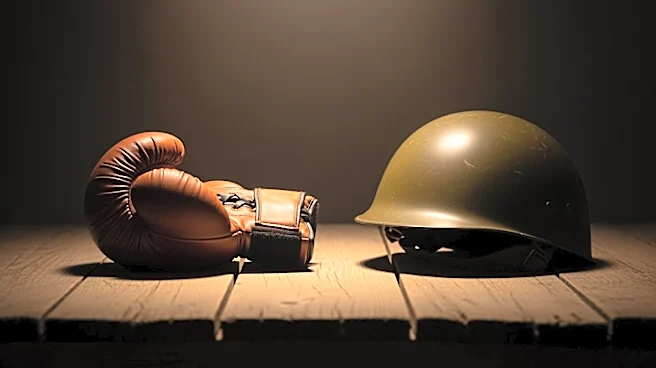







Muhammad Ali, known for his prowess in the boxing ring, also made headlines for his bold stance against the Vietnam War. His refusal to be drafted into the U.S. military was a defining moment in his life, affecting both his career and public perception. This article explores Ali's decision, the consequences he faced, and the broader impact of his actions.
The Decision to Refuse the Draft
In 1966, Muhammad Ali was reclassified as 1-A, making him eligible for the draft. However, Ali,
a member of the Nation of Islam, declared himself a conscientious objector, citing his religious beliefs as the reason for his refusal to serve. He famously stated, "War is against the teachings of the Holy Qur'an. I'm not trying to dodge the draft. We are not supposed to take part in no wars unless declared by Allah or The Messenger."
Ali's stance was not just about religion; it was also a political statement. He questioned why he should fight in a war against people who had done him no harm while African Americans were still fighting for civil rights at home. His declaration, "I ain't got no quarrel with them Viet Cong," resonated with many who opposed the war.
The Consequences of His Stand
Ali's refusal to be drafted had immediate repercussions. On the day he refused induction, the New York State Athletic Commission suspended his boxing license, and the World Boxing Association stripped him of his title. Other boxing commissions followed suit, effectively barring him from the sport during what could have been the peak years of his career.
In 1967, Ali was convicted of draft evasion, sentenced to five years in prison, and fined $10,000. Although he remained free on appeal, the legal battle took a toll on his career and finances. Despite these challenges, Ali remained steadfast in his beliefs, becoming a symbol of resistance and a voice for those who opposed the war.
The Impact on Public Perception
Initially, Ali's refusal to serve was met with widespread criticism. Many viewed him as unpatriotic, and he received numerous death threats. However, as public opinion shifted against the Vietnam War, Ali's stance gained support. He became a prominent figure in the anti-war movement and a symbol of courage and conviction.
Ali's actions also had a lasting impact on the civil rights movement. His willingness to sacrifice his career for his beliefs inspired others to stand up for their rights and challenge the status quo. Over time, Ali's legacy as a fighter for justice and equality overshadowed the controversy surrounding his draft refusal.
Muhammad Ali's stand against the Vietnam War was a pivotal moment in his life, shaping his legacy as not only a champion in the ring but also a champion for social justice. His courage and conviction continue to inspire generations to speak out against injustice and fight for what they believe in.