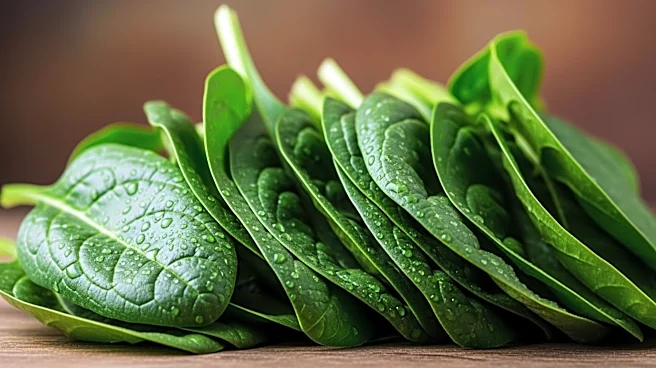

Spinach is not just a versatile ingredient in the kitchen; it is also a nutritional powerhouse packed with essential vitamins and minerals. This leafy green vegetable, native to Central and Western Asia,
offers a range of health benefits that make it a valuable addition to any diet. In this article, we explore the nutritional profile of spinach and its various culinary uses.
Rich in Essential Nutrients
Spinach is renowned for its high nutritional value, particularly when consumed fresh, frozen, steamed, or quickly boiled. It is an excellent source of vitamin K, providing 403% of the daily value in a 100-gram serving. This vitamin is crucial for blood clotting and bone health. Additionally, spinach is rich in vitamin A, vitamin C, manganese, and folate, all of which play vital roles in maintaining overall health.
The vegetable also contains moderate amounts of B vitamins, vitamin E, potassium, iron, magnesium, and dietary fiber. These nutrients contribute to various bodily functions, including energy production, immune support, and digestive health. Despite its impressive nutrient profile, spinach is low in calories, making it an ideal choice for those looking to maintain a healthy weight.
Culinary Versatility
Spinach's mild flavor and tender texture make it a versatile ingredient in the kitchen. It can be enjoyed raw in salads, where its fresh taste complements a variety of dressings and toppings. Cooked spinach is a popular addition to soups, curries, and casseroles, where it adds depth and nutrition to the dish.
In classical French cuisine, dishes featuring spinach are often described as "à la Florentine," highlighting the vegetable's association with the Italian city of Florence. Spinach is also a key ingredient in popular dishes such as spanakopita, a Greek spinach pastry, and saag paneer, an Indian dish featuring spinach and cheese.
Considerations and Cooking Tips
While spinach is a nutritional powerhouse, it does contain oxalates, which can inhibit the absorption of calcium and iron. Cooking methods such as blanching can reduce oxalate levels, allowing for better nutrient absorption. However, it's important to note that cooking spinach can also decrease its vitamin C and folate content.
Spinach is also rich in nitrates and nitrites, which can exceed safe levels if consumed in excess. As with any food, moderation is key to enjoying the health benefits of spinach without potential drawbacks.
In conclusion, spinach is a versatile and nutrient-dense vegetable that can enhance both the flavor and nutritional value of a wide range of dishes. Whether enjoyed raw or cooked, spinach remains a staple in kitchens around the world, celebrated for its health benefits and culinary adaptability.