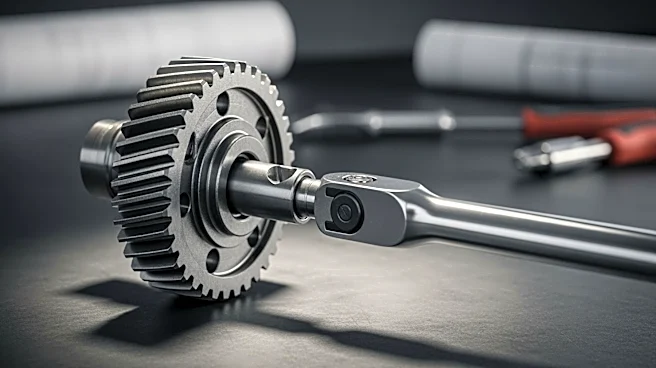







Torque is a key concept in engineering, where it is often referred to as the moment of force. This rotational force is essential for understanding how mechanical systems operate and how forces can be applied to achieve desired outcomes. In this article, we explore the applications of torque in engineering and its implications for various industries.
Torque in Mechanical Design
In mechanical engineering, torque is used to design systems that require rotational motion. It is crucial
for calculating the forces needed to rotate objects, such as gears, wheels, and shafts. Engineers use torque to determine the specifications of components, ensuring they can withstand the forces applied during operation.
Torque is also important in the design of engines and motors. The torque produced by an engine determines its ability to perform work, such as moving a vehicle or operating machinery. Engineers must consider the torque characteristics of engines to optimize their performance and efficiency. This involves analyzing torque curves, which show how torque varies with rotational speed, and adjusting design parameters accordingly.
Practical Applications of Torque
Torque has numerous practical applications across various industries. In the automotive industry, torque is used to measure the performance of engines and optimize their efficiency. It is also crucial for designing transmission systems, which convert torque into usable power for driving vehicles.
In the construction industry, torque is used to design and operate machinery such as cranes and excavators. These machines rely on torque to lift and move heavy loads, requiring precise calculations to ensure safety and efficiency. Torque is also used in the design of tools, such as wrenches and screwdrivers, which apply rotational force to fasten or loosen components.
Implications for Engineering
Understanding torque is essential for engineers, as it impacts the design and operation of mechanical systems. Engineers must consider torque when selecting materials, designing components, and optimizing system performance. This requires a thorough understanding of the relationship between torque, force, and rotational motion.
Torque also has implications for safety and reliability. Engineers must ensure that systems can withstand the forces applied during operation, preventing failures and accidents. This involves rigorous testing and analysis to identify potential issues and implement solutions.
In conclusion, torque is a fundamental concept in engineering, with wide-ranging applications and implications. Its role in mechanical design, practical applications, and safety considerations highlights the importance of understanding torque for engineers across various industries.