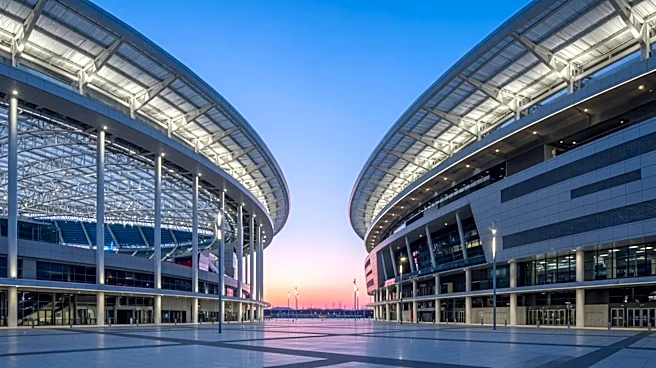

Lukoil Arena, a prominent multi-purpose stadium in Moscow, Russia, stands as a testament to modern architectural design and engineering. Originally known as Otkritie Bank Arena, the stadium has undergone
significant transformations since its inception. This article delves into the architectural journey of Lukoil Arena, highlighting its design, construction, and the unique features that make it a landmark in Moscow.
The Initial Vision and Design
The journey of Lukoil Arena began with the need for Spartak Moscow, a major football club, to have its own stadium. Prior to the construction of Lukoil Arena, Spartak Moscow played its home matches at various stadiums across the city. The vision for a dedicated stadium took shape in the early 2000s, with the groundbreaking ceremony held in 2007. However, the project faced several delays due to administrative and financial challenges.
The architectural design of Lukoil Arena was a collaborative effort involving several firms. The initial design was rejected for being too ordinary, prompting a revision that resulted in the current design by AECOM, in association with Sport Concepts and Dexter Moren Associates. The design features a modern facade and a separate indoor arena, reflecting a blend of functionality and aesthetic appeal.
Construction Challenges and Milestones
Construction of Lukoil Arena was not without its challenges. The project was delayed multiple times due to the global financial crisis and other administrative hurdles. Originally scheduled for completion between 2009 and 2010, the stadium was still in the design stage as of 2009. It wasn't until 2010 that the project gained momentum, with significant financial backing from Lukoil and IFD Kapital.
Despite these challenges, the construction of Lukoil Arena marked several milestones. The stadium officially opened on September 5, 2014, with a friendly match between Spartak Moscow and Red Star Belgrade. The opening was a significant event, attended by notable figures including the President of Russia, Vladimir Putin. The stadium's completion was a major achievement, providing Spartak Moscow with a state-of-the-art facility for its home games.
Unique Features and Legacy
Lukoil Arena is not just a football stadium; it is a multi-purpose venue designed to host a variety of events. With a seating capacity of 45,360, the stadium is equipped with modern amenities, including navigation assistance, storage rooms, and facilities for people with disabilities. The stadium's design also incorporates a 24.5-meter sculpture of the Roman gladiator Spartacus, symbolizing the club's name and heritage.
The architectural journey of Lukoil Arena reflects a blend of modern design and practical functionality. It stands as a landmark in Moscow, not only for its architectural significance but also for its role in the city's sports and cultural landscape. As a venue for major events, including the 2018 FIFA World Cup, Lukoil Arena continues to be a focal point for sports and entertainment in Russia.