






Nail polish has a rich history that spans thousands of years, evolving from simple natural dyes to the vibrant and varied lacquers we see today. This article explores the journey of nail polish from its origins in ancient China and Egypt to its modern-day formulations and uses. By examining the historical context and technological advancements, we can appreciate how nail polish has become a staple in personal grooming and fashion.
Ancient Beginnings
The earliest records
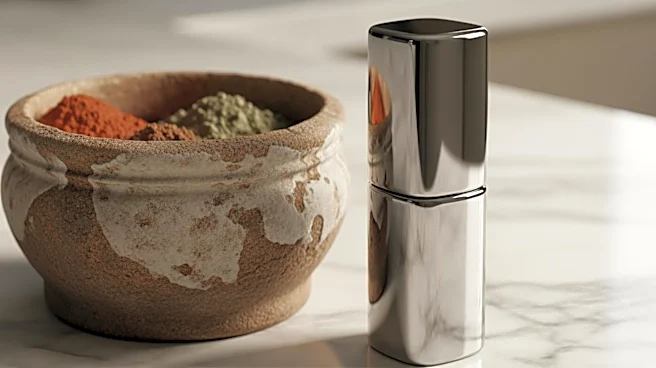
of nail polish date back to ancient China around 3000 BCE. During this time, nail polish was made from a mixture of beeswax, egg whites, gelatin, vegetable dyes, and gum arabic. The colors ranged from pink to red, depending on the ingredients used. In the Zhou dynasty, around 600 BCE, royalty favored gold and silver dust on their nails to signify their social status. This practice highlighted the importance of nail color as a symbol of class and prestige.
In ancient Egypt, nail color also indicated social status. The lower classes used henna to paint their nails a reddish-brown, while mummified pharaohs had their nails painted with henna as well. This use of nail color as a status symbol was prevalent across different cultures, showcasing the universal appeal of nail decoration.
The Rise of Modern Nail Polish
The modern era of nail polish began in the 1920s, with significant contributions from the fashion industry. In France, a hairstylist named Antoine de Paris played a pivotal role in popularizing nail polish by producing some of the first modern formulations. This period saw a shift from natural nail colors to more vibrant and diverse shades, aligning with the fashion trends of the time.
By the 1940s, the practice of painting the entire nail became fashionable, moving away from the earlier trend of leaving the tips and half-moon areas bare. This change marked a significant evolution in nail polish application, reflecting broader changes in beauty standards and consumer preferences.
Technological Advancements and Modern Trends
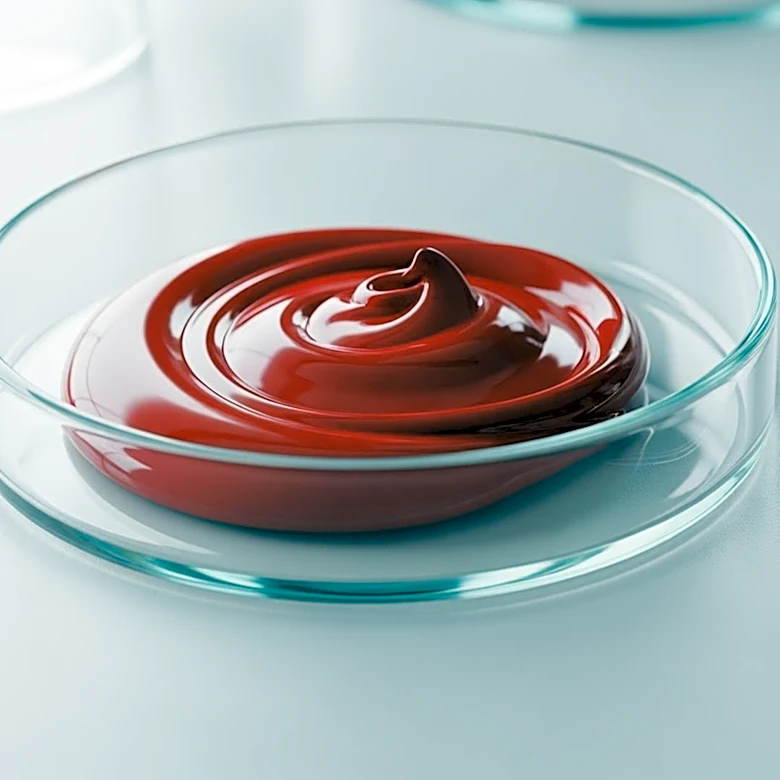
Today, nail polish is a complex product made from a mix of organic polymers and solvents. The most common polymer used is nitrocellulose, which forms a film on the nail surface. Modern formulations have been refined to enhance durability, color vibrancy, and safety for consumers. The introduction of gel nail polish, which is cured under UV light, has further expanded the possibilities for nail art and long-lasting wear.
Nail polish continues to evolve, with new colors, textures, and effects being introduced regularly. From crackled and glitter finishes to holographic and color-changing polishes, the options are endless. This ongoing innovation ensures that nail polish remains a dynamic and integral part of personal expression and fashion.