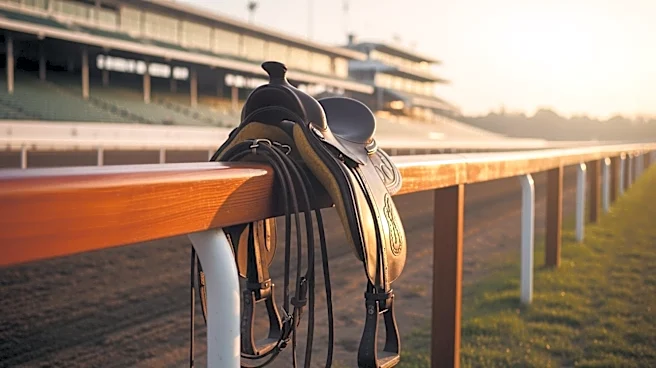


The 1945 Kentucky Derby was unlike any other in the history of the prestigious horse race. Held on June 9, 1945, this event marked the 71st running of the Derby at Churchill Downs. The race was won by Hoop Jr., ridden by the renowned jockey Eddie Arcaro. However, what made this Derby particularly notable was the backdrop of World War II, which had a significant impact on the scheduling and execution of the race.
The Impact of World War II on the Derby
Traditionally, the Kentucky Derby is
held on the first Saturday of May. However, in 1945, the race was initially scheduled for May 5 but was postponed due to the ongoing war. In December 1944, James F. Byrnes, the director of the Office of War Mobilization, requested that all horse racing tracks suspend operations starting in January 1945. This suspension was to remain in place until war conditions permitted a resumption of racing activities.
The decision to suspend horse racing was part of a broader effort to focus national resources on the war effort. Horse racing, like many other industries, was seen as a non-essential activity that could be put on hold during the crisis. This suspension affected not only the Kentucky Derby but also other major races across the country.
Resumption of Racing and the New Schedule
The suspension of horse racing was lifted shortly after V-E Day, which marked the end of World War II in Europe. Fred M. Vinson, who succeeded Byrnes at the Office of War Mobilization, announced on May 10, 1945, that horse racing could resume. This decision allowed the Kentucky Derby to be rescheduled for June 9, 1945.
The rescheduling of the Derby also affected the timing of the other two races in the Triple Crown series. The Preakness Stakes was held on June 16, followed by the Belmont Stakes on June 23. This adjustment in the racing calendar was unprecedented and added a unique chapter to the history of American horse racing.
The Race and Its Outcome
Despite the unusual circumstances, the 1945 Kentucky Derby proceeded with great enthusiasm. Hoop Jr., trained by Ivan H. Parke and owned by Fred W. Hooper, emerged victorious. The race was run on a dirt surface, and Hoop Jr. completed the course in a time of 2:07. This victory was particularly significant for Fred W. Hooper, as Hoop Jr. was the first racehorse he had ever owned.
The 1945 Kentucky Derby remains a memorable event, not only for its outcome but also for the resilience and adaptability shown by the racing community during a time of global upheaval. It stands as a testament to the enduring spirit of the sport and its ability to bring people together, even in the most challenging times.