



Synthetic musks are a diverse group of compounds designed to replicate the scent of natural musks. These artificial fragrances are widely used in perfumes, cosmetics, and other consumer products. There are several classes of synthetic musks, each with unique chemical structures and olfactory properties. Understanding these differences is key to appreciating their role in modern perfumery.
Nitro Musks: The Pioneers
Nitro musks were the first class of synthetic musks to be developed.
Discovered in the late 19th century, these compounds were initially created during experiments aimed at producing more effective explosives. Nitro musks, such as musk xylene, are characterized by their nitro functional groups, which contribute to their distinctive musky scent.
Despite their initial popularity, nitro musks have fallen out of favor due to environmental and health concerns. Their photochemical reactivity and instability in alkaline media raised safety issues, prompting the search for safer alternatives. As a result, the use of nitro musks has significantly declined, and they are now largely replaced by other classes of synthetic musks.
Polycyclic Musks: Stability and Versatility
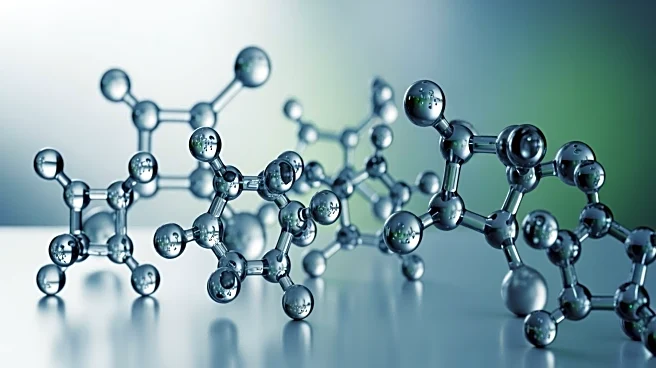
Polycyclic musks emerged as a more stable alternative to nitro musks. These compounds, such as Galaxolide, are known for their complex ring structures, which contribute to their musky aroma. Polycyclic musks are widely used in a variety of consumer products, including perfumes, detergents, and cosmetics.
One of the key advantages of polycyclic musks is their stability, which makes them suitable for use in harsh environments, such as detergents. Their pleasant scent and versatility have made them a popular choice in the fragrance industry. However, concerns about their environmental persistence and bioaccumulation have led to increased scrutiny and regulation.
Macrocyclic Musks: A Safer Alternative
Macrocyclic musks are considered the safest and most environmentally friendly class of synthetic musks. These compounds are characterized by their large ring structures, which closely resemble the primary odoriferous compounds found in natural musk. Despite their initial challenges in synthesis, advancements in chemical techniques have made macrocyclic musks more accessible and affordable.
Macrocyclic musks are favored for their biodegradability and lack of environmental persistence. They are increasingly used as a replacement for nitro and polycyclic musks, offering a safer and more sustainable option for perfumers. As the industry continues to prioritize safety and sustainability, macrocyclic musks are expected to play an increasingly important role in the future of fragrance development.