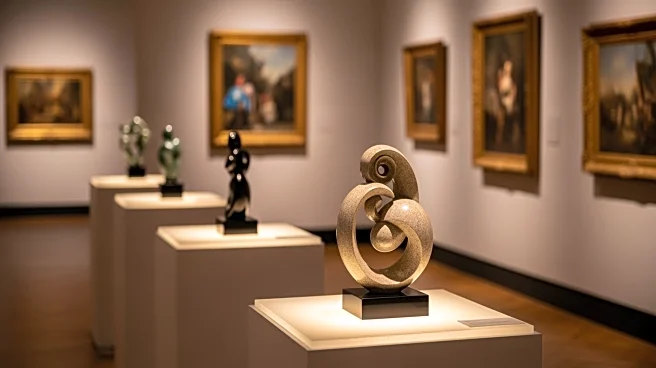




The National Gallery of Art in Washington, D.C., is a treasure trove of Western art, offering visitors a chance to explore a vast array of artistic masterpieces. Established in 1937, the gallery has grown to become one of the most comprehensive art museums in the United States. Its collections span centuries and include works from renowned artists such as Raphael, Rembrandt, and Botticelli. This article delves into the gallery's diverse collections,
highlighting the unique contributions of various donors and the significance of the Sculpture Garden.
Mellon Collection
The Mellon Collection is one of the cornerstone collections of the National Gallery of Art. Andrew W. Mellon, a prominent financier and philanthropist, played a pivotal role in the establishment of the gallery. His collection includes works by iconic artists such as Raphael, Veronese, and Botticelli. These pieces represent the pinnacle of Renaissance art, showcasing the skill and creativity of these masters. The Mellon Collection serves as a testament to Mellon's vision of creating a world-class art institution in the nation's capital.
Another notable aspect of the Mellon Collection is its focus on European art. The collection features works from various European countries, providing a comprehensive overview of the artistic movements that shaped the continent. Visitors can admire the intricate details of Raphael's paintings or the vibrant colors of Veronese's works, gaining insight into the cultural and historical context of these masterpieces.
Other Significant Collections
In addition to the Mellon Collection, the National Gallery of Art houses several other significant collections. The Dale Collection, donated by Chester Dale, includes works by American and European artists, offering a diverse range of styles and techniques. The Kress Collection, contributed by Samuel H. Kress, features pieces by Italian artists such as Domenico Veneziano and Giorgione, highlighting the rich artistic heritage of Italy.
The Widener Collection, donated by Peter Arrell Brown Widener, adds another layer of depth to the gallery's offerings. This collection includes works by Raphael and van Dyck, further enriching the gallery's European art holdings. Each of these collections brings its own unique flavor to the gallery, allowing visitors to experience a wide array of artistic expressions.
The Sculpture Garden
The National Gallery of Art Sculpture Garden is a recent addition to the gallery, providing an outdoor space for contemporary sculptures. Opened in 1999, the garden is located between the gallery's West Building and the Smithsonian Institution's National Museum of Natural History. It features a variety of sculptures, offering a modern contrast to the gallery's traditional collections.
The Sculpture Garden is centered around a fountain that transforms into an ice-skating rink during the winter months. This unique feature adds a dynamic element to the garden, attracting visitors year-round. The garden's design, by landscape architect Laurie Olin, complements the surrounding architecture, creating a harmonious blend of art and nature.
Overall, the National Gallery of Art offers a rich and diverse collection that caters to art enthusiasts of all kinds. From the timeless masterpieces of the Mellon Collection to the contemporary works in the Sculpture Garden, the gallery provides a comprehensive overview of Western art, making it a must-visit destination for anyone interested in the arts.