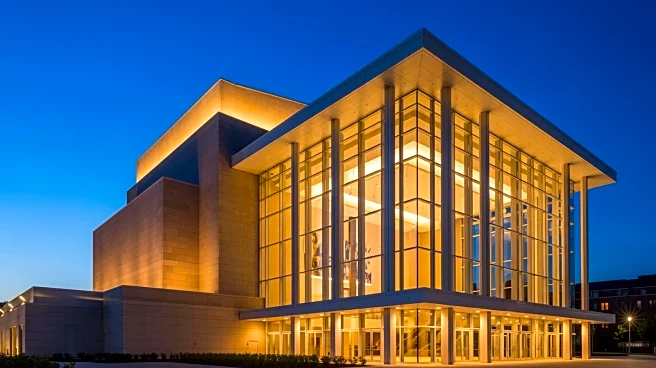

Since its inauguration in 1993, the Lied Center of Kansas has been a pivotal institution in the realm of performing arts at the University of Kansas. This article explores the historical development of the center,
examining its evolution and the cultural impact it has had over the years. As a venue that hosts a variety of events, the Lied Center has become synonymous with artistic excellence and cultural enrichment.
The Opening and Early Years
The Lied Center of Kansas opened its doors in 1993, marking a new era for the performing arts at the University of Kansas. The establishment of the center was a significant milestone, reflecting the university's commitment to fostering a vibrant arts community. In its early years, the center quickly gained recognition for its state-of-the-art facilities and its ability to host a diverse range of performances.
The initial programming at the Lied Center set the tone for its future as a cultural hub. By offering a mix of student functions and international performances, the center established itself as a venue that values both local talent and global perspectives. This approach has been instrumental in shaping the center's identity and reputation within the arts community.
Growth and Expansion
Over the years, the Lied Center of Kansas has expanded its reach and influence, becoming a key player in the performing arts scene. The center's growth is evident in its increasingly diverse programming, which continues to attract audiences from both the university and the surrounding community. This expansion has been supported by the center's commitment to providing high-quality facilities and experiences for performers and attendees alike.
The Lied Center's ability to adapt and evolve has been crucial to its sustained success. By continually updating its facilities and expanding its programming, the center has maintained its relevance and appeal. This adaptability ensures that the Lied Center remains a vital part of the university's cultural landscape.
Cultural Impact and Legacy
The Lied Center of Kansas has had a profound impact on the cultural life of the University of Kansas and the broader community. As a venue that hosts a wide array of performances, the center enriches the cultural fabric of the area, offering residents and students access to world-class artistic experiences. This accessibility is key to fostering a community that values and supports the arts.
The legacy of the Lied Center is evident in its continued success and influence. By providing a platform for both local and international artists, the center has cemented its status as a cultural beacon. Its role in promoting the arts and enhancing the university's reputation is a testament to its enduring significance.