




The OBD-II system is a cornerstone of modern vehicle diagnostics, providing a standardized method for monitoring and reporting vehicle performance and emissions. Since its implementation in 1996, OBD-II has revolutionized the way vehicles are maintained and repaired. This article delves into the components and functions of the OBD-II system, highlighting its significance in the automotive industry.
Components of the OBD-II System
The OBD-II system is comprised of several key components
that work together to monitor vehicle performance. At the heart of the system is the engine control unit (ECU), which collects data from various sensors throughout the vehicle. These sensors monitor critical parameters such as engine speed, temperature, and emissions levels.
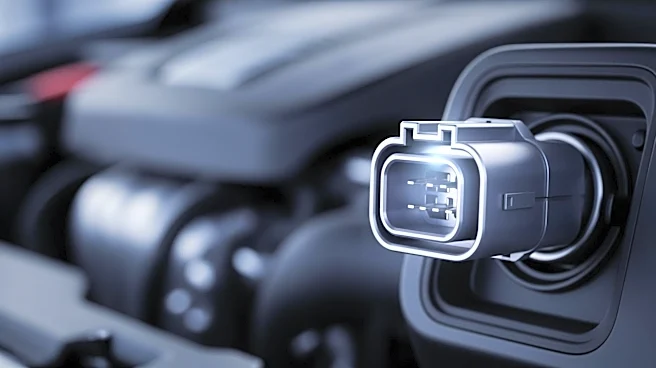
The OBD-II system uses a standardized 16-pin connector, known as the data link connector (DLC), to interface with diagnostic tools. This connector is typically located within two feet of the steering wheel, allowing easy access for technicians. The DLC enables the retrieval of diagnostic trouble codes (DTCs) and real-time data from the ECU, facilitating efficient troubleshooting and maintenance.
Diagnostic Trouble Codes and PIDs
One of the most important features of the OBD-II system is its ability to generate diagnostic trouble codes (DTCs). These codes are alphanumeric identifiers that correspond to specific issues within the vehicle. DTCs are categorized into four main groups: powertrain, body, chassis, and network, each represented by a letter (P, B, C, U) followed by four digits.
In addition to DTCs, the OBD-II system uses parameter identification numbers (PIDs) to request specific diagnostic data from the ECU. PIDs provide access to real-time performance data, such as engine RPM, vehicle speed, and fuel system status. This information is invaluable for technicians when diagnosing and repairing vehicle issues, ensuring accurate and efficient service.
The Role of OBD-II in Vehicle Maintenance
The OBD-II system plays a crucial role in vehicle maintenance by providing a comprehensive overview of a vehicle's health. It allows technicians to quickly identify and address issues, reducing the time and cost associated with repairs. The system also supports emissions testing, ensuring vehicles comply with environmental regulations.
Furthermore, OBD-II has paved the way for advanced diagnostic tools and software, enabling more precise and detailed analysis of vehicle performance. Mobile applications and telematics devices now leverage OBD-II data to offer real-time monitoring and alerts, enhancing vehicle safety and efficiency.
In conclusion, the OBD-II system is an essential component of modern vehicles, providing a standardized framework for diagnostics and maintenance. Its ability to monitor and report on a wide range of parameters ensures vehicles operate efficiently and safely, making it a vital tool for both technicians and vehicle owners.