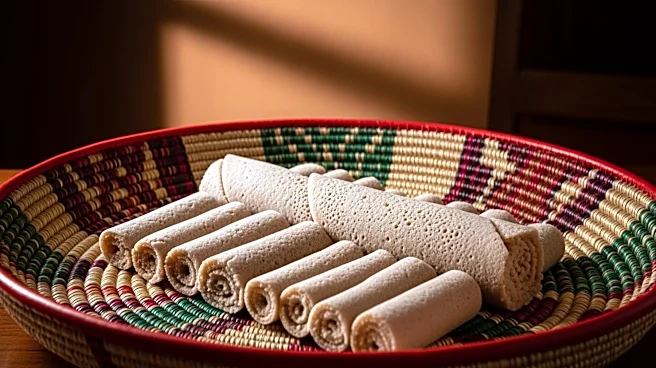





Ethiopian dining is not just about the food; it is a cultural experience that emphasizes community and tradition. Meals are often shared from a single platter, fostering a sense of togetherness and connection among diners. This communal approach to dining is deeply ingrained in Ethiopian culture, reflecting the values of hospitality and unity. The centerpiece of Ethiopian meals is injera, a sourdough flatbread that serves as both a plate and utensil,
symbolizing the communal nature of the dining experience.
Communal Dining Practices
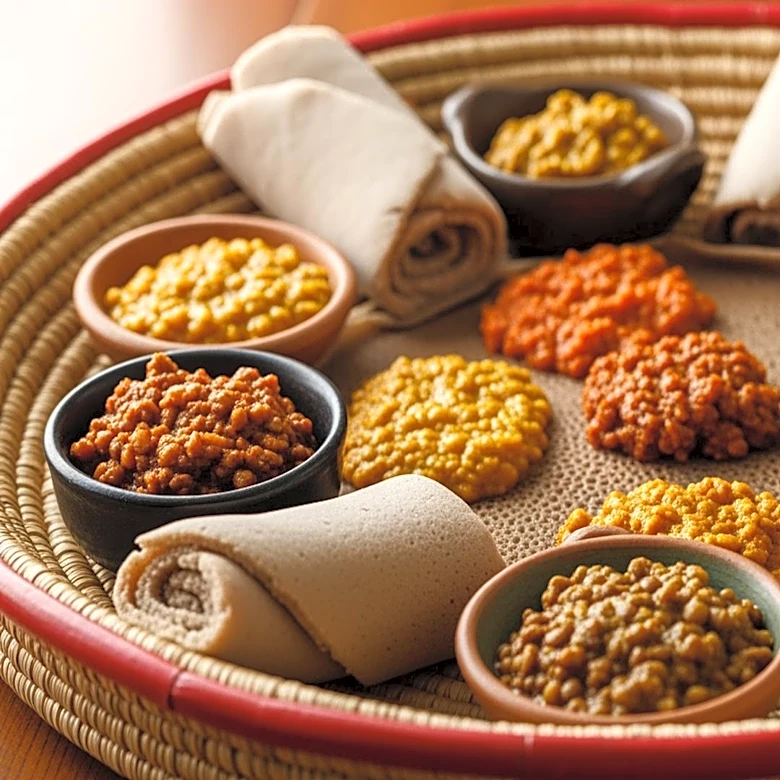
In Ethiopian culture, meals are typically shared from a large platter placed at the center of the table. Diners gather around the platter, using pieces of injera to scoop up various stews and side dishes. This practice not only encourages interaction but also reinforces the bonds between family and friends. Eating with the hands is customary, and utensils are rarely used, further emphasizing the tactile and communal aspects of the meal. The act of sharing food from a single platter is a reflection of Ethiopian values, where hospitality and generosity are paramount.
The Role of Injera in Dining
Injera is central to Ethiopian dining, serving as both the base and utensil for meals. This spongy flatbread is made from teff flour and is used to scoop up stews and side dishes, making it an integral part of the dining experience. The communal nature of injera is evident in its use; diners tear off pieces to share and enjoy the flavors of the accompanying dishes. Injera's role as a plate and utensil underscores the importance of sharing and togetherness in Ethiopian culture, where meals are a time for connection and celebration.
Celebrating Special Occasions
Ethiopian meals are often a time for celebration, with special dishes prepared for holidays and gatherings. Doro wat, a spicy chicken stew, is a popular choice for festive occasions, symbolizing abundance and hospitality. The preparation of such dishes is often a communal effort, with family members coming together to cook and share the meal. This tradition of communal cooking and dining highlights the cultural significance of food in Ethiopian society, where meals are a time to honor relationships and celebrate life's milestones.
Ethiopian dining traditions are a reflection of the country's cultural values, emphasizing community, hospitality, and celebration. Through the shared experience of meals, Ethiopians foster connections and create lasting memories, making dining an integral part of their cultural identity.