






Grauman's Chinese Theatre is not only a cultural icon but also an architectural marvel. Located on Hollywood Boulevard, this theater is renowned for its distinctive design that combines elements of Exotic Revival style with traditional Chinese motifs. From its towering pagoda to its intricate interior, the theater's architecture is a testament to the creativity and vision of its designers.
Exterior Design and Features
The exterior of Grauman's Chinese Theatre is dominated by a 90-foot-tall
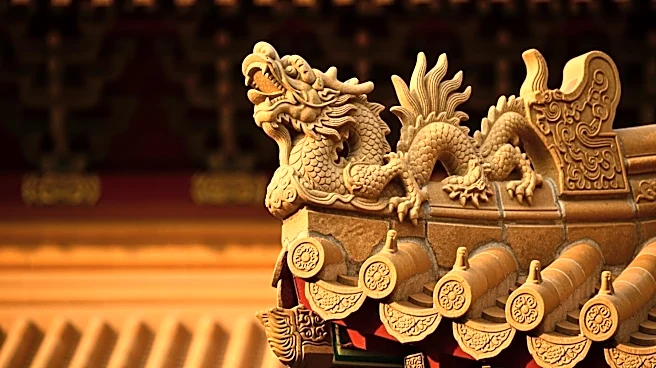
pagoda, supported by two prominent red pillars. The pagoda's roof is plated in bronze, adding to the theater's grandeur. Traditional Chinese ornamentations are evident throughout the design, including a 30-foot-tall stone-carved mural of a dragon on the central wall between the columns.
Flanking the entrance are two Ming dynasty-era guardian lion statues, which were imported from China along with temple bells and other artifacts. These elements contribute to the theater's authentic Chinese aesthetic, making it a standout structure on Hollywood Boulevard. The theater's forecourt, famous for its celebrity handprints and footprints, is another key feature that enhances its allure.
Interior Grandeur
Inside, the theater continues to impress with its ornate design. The auditorium features a sixty-foot-wide doily on its ceiling, adorned with silver dragon emblems and gold medallions. A bronze chandelier, designed to resemble a lantern, hangs from the center, adding to the opulent atmosphere.
The color scheme inside the theater is primarily red, with shades of ruby, crimson, and coral lacquer, accented by bronze, gold, and silver. This rich palette creates a warm and inviting environment, reminiscent of a "gigantic shrine," as described by author Charles Beardsley. The theater's original configuration included a large stage and a concealed Wurlitzer organ, further enhancing its theatrical capabilities.
A Lasting Influence
The architectural design of Grauman's Chinese Theatre has had a lasting impact, inspiring the construction of similar theaters across North America. Its unique blend of Chinese and Exotic Revival styles set a precedent for movie palaces, influencing the design of theaters in cities like San Francisco, Seattle, and Milwaukee.
Today, Grauman's Chinese Theatre remains a symbol of Hollywood's golden age, attracting visitors from around the world who come to admire its architectural beauty. As it continues to host premieres and events, the theater stands as a testament to the enduring appeal of its design and the vision of its creators.