


Youngstown, Ohio, has experienced significant cultural and demographic shifts throughout its history. From its early days as a settlement in the Connecticut Western Reserve to its rise as an industrial powerhouse, the city has been shaped by waves of immigration and social change. This article explores the cultural and demographic evolution of Youngstown, highlighting key periods and influences that have defined its identity.
Early Settlement and Growth
Youngstown was founded
in 1797 by John Young, a New York native who surveyed the area and established the first sawmill and gristmill along the Mahoning River. The city attracted settlers from Connecticut and neighboring Pennsylvania, including Scots-Irish immigrants. By 1798, several families had settled near Mill Creek, marking the beginning of Youngstown's growth.
As the population increased, the need for administrative districts became apparent. Trumbull County was established in 1800, with Youngstown Township comprising much of what would become Mahoning County. The village of Youngstown was incorporated in 1848, and by 1867, it was chartered as a city. The city's industrial development drew immigrants from various backgrounds, contributing to its cultural diversity.
Industrialization and Immigration
The discovery of coal and the establishment of steel mills in the late 19th century attracted a diverse workforce to Youngstown. Immigrants from Wales, Germany, Ireland, Eastern Europe, Italy, and Greece flocked to the city, seeking employment in the growing industrial sector. This influx of labor transformed Youngstown into a melting pot of cultures and traditions.
In the early 20th century, Youngstown saw an increase in immigrants from non-European countries, including Lebanon, Israel, Palestine, and Syria. The city's demographic landscape continued to evolve, with African Americans and Latinos becoming well-represented in the community. By the 1950s, the Latino population had grown significantly, contributing to the city's cultural richness.
Modern Challenges and Adaptation
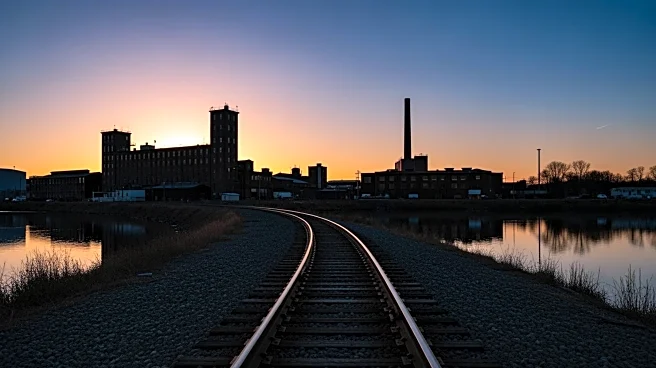
The decline of the steel industry in the 1970s had a profound impact on Youngstown's demographic and cultural landscape. The loss of manufacturing jobs led to economic challenges and population decline. Despite these difficulties, the city has continued to adapt and evolve, embracing new opportunities for growth.
Revitalization efforts in the 21st century have focused on diversifying the economy and improving the city's image. Initiatives like the Youngstown Business Incubator and the Youngstown 2010 plan aim to foster innovation and attract new residents. The city's cultural institutions, such as the Butler Institute of American Art and Mill Creek Park, continue to celebrate Youngstown's rich heritage and diverse community.
Youngstown's cultural and demographic evolution reflects the resilience and adaptability of its residents. As the city moves forward, it remains committed to preserving its unique identity while embracing change and progress.