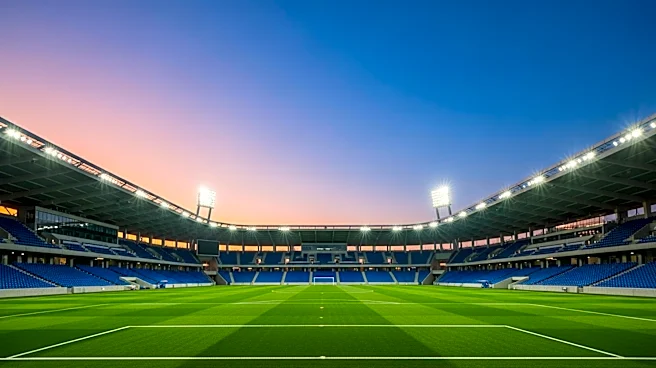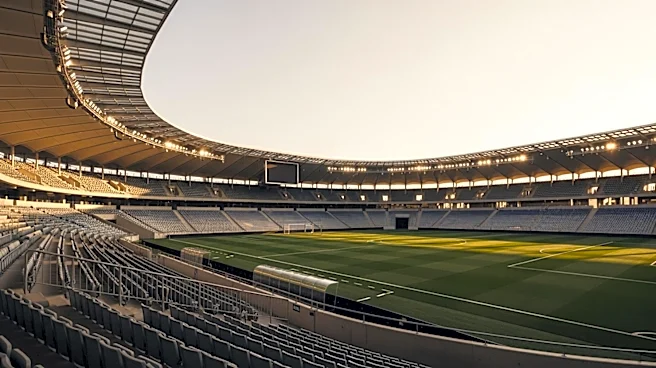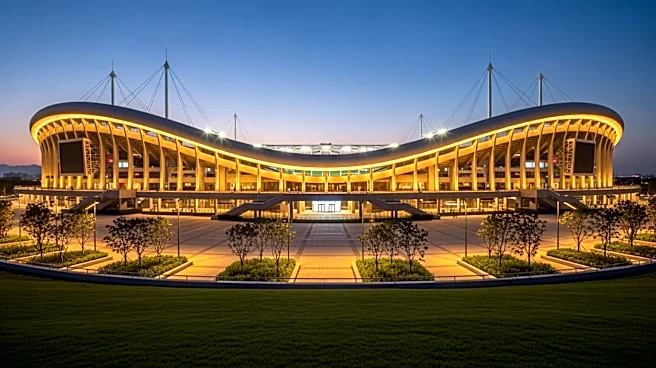


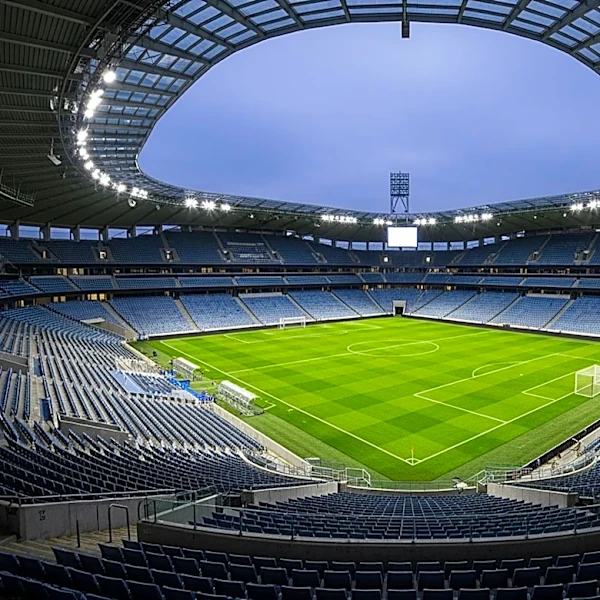


Stadio Renzo Barbera, located in the heart of Palermo, Italy, is more than just a football stadium. It is a cultural and sporting landmark that has played a significant role in the lives of the people of Palermo and the broader Italian community. This article delves into the cultural impact and sporting legacy of this iconic venue.
A Venue of Historical Significance
Since its opening in 1932, Stadio Renzo Barbera has been a central part of Palermo's cultural landscape. Originally named
Stadio Littorio, the stadium's history is intertwined with the political and social changes in Italy. Over the years, it has undergone several name changes, each reflecting a different era in Italian history. From Stadio Michele Marrone to Stadio La Favorita, and finally to its current name, the stadium's evolution mirrors the cultural shifts in the region.
The stadium has been a witness to numerous historical events, including its role as a venue for the 1990 FIFA World Cup. This international exposure not only put Palermo on the global map but also highlighted the stadium's importance as a cultural and sporting hub. The renaming of the stadium in 2002 to honor Renzo Barbera, a beloved figure in Palermo's football history, further cemented its status as a cultural icon.
Sporting Achievements and Legacy
Stadio Renzo Barbera is the home of Palermo FC, a club with a passionate fan base and a rich history in Italian football. The stadium has hosted countless memorable matches, including Palermo's first appearance in Serie A in over 30 years during the 2004-2005 season. This period was marked by an unprecedented demand for season tickets, showcasing the deep connection between the club and its supporters.
The stadium's capacity and facilities have evolved over the years to accommodate the growing number of fans and the increasing popularity of football. Despite the challenges and tragedies, such as the loss of construction workers during the 1990 renovations, the stadium has remained a symbol of resilience and sporting excellence.
Future Prospects and Cultural Impact
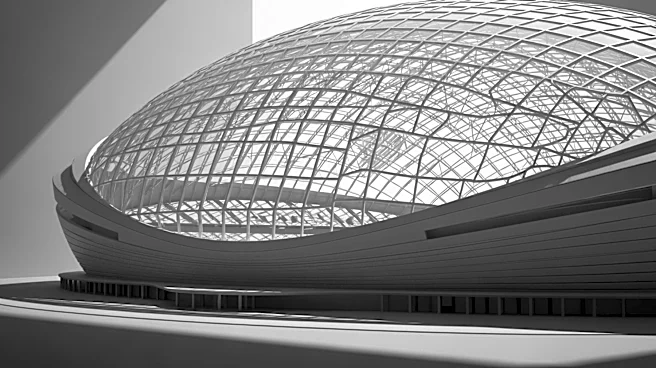
Looking ahead, the planned redevelopment of Stadio Renzo Barbera aims to enhance its role as a premier sporting venue. The integration into UEFA Euro 2032 hosting plans is a testament to its enduring significance in the world of sports. These developments are expected to attract more international events, further solidifying its status as a cultural and sporting landmark.
Stadio Renzo Barbera's legacy is not just about football; it is about the community it serves and the cultural heritage it represents. As it continues to evolve, the stadium remains a testament to the enduring spirit and passion of Palermo and its people.