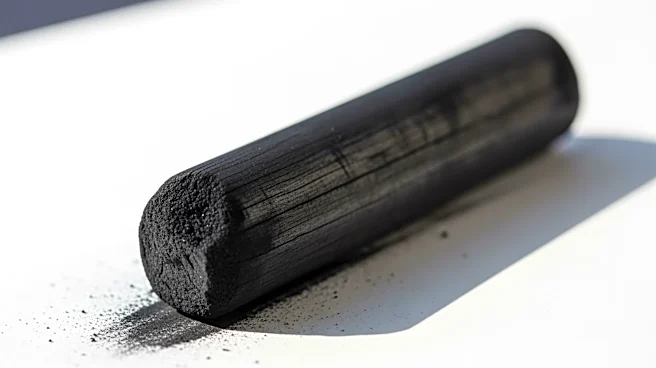





Charcoal has been a significant medium in the art world for thousands of years, with its use dating back to ancient times. This versatile material has been employed by artists across cultures and eras, from prehistoric cave paintings to contemporary works. In this article, we will delve into the historical journey of charcoal as an art medium, exploring its evolution and enduring appeal.
Ancient and Renaissance Use
The use of charcoal in art can be traced back to at least 28,000
years ago, with early examples found in cave paintings. One of the oldest known charcoal paintings is a depiction of a zebra, discovered in the Apollo cave in Namibia. These early artists utilized charcoal for its ability to create bold, dark lines, which were ideal for outlining figures and adding depth to their compositions.
During the Renaissance, charcoal became a popular medium among artists for sketching and preliminary studies. However, many works from this period did not survive due to the fragile nature of charcoal, which tends to flake off the canvas. To address this issue, a process of submerging drawings in a gum bath was developed at the end of the 15th century, helping to preserve the artwork.
Cultural Significance and Rituals
Charcoal has also played a role in various cultural practices and rituals. Many indigenous cultures, including those in Australia, Africa, and the Pacific Islands, have used charcoal for body painting in rites of passage, such as childbirth, weddings, and funerary rites. The deep black strokes of charcoal have been favored for their symbolic and aesthetic qualities, making them an integral part of these traditions.
In addition to its cultural significance, charcoal has been used for practical purposes, such as camouflage and hunting. Its ability to create dark, matte surfaces made it an effective tool for blending into natural environments, highlighting its versatility beyond the art world.
Contemporary Artists and Techniques
In modern times, charcoal continues to be a popular medium among artists, both for its historical significance and its unique properties. Contemporary artists like Robert Longo, William Kentridge, Dan Pyle, and Joel Daniel Phillips have embraced charcoal as a primary medium, using it to create striking, monochromatic works.
The techniques used with charcoal have also evolved, with artists experimenting with various methods to achieve different effects. From hatching and blending to rubbing and erasing, charcoal offers a wide range of possibilities for creative expression. Its ability to produce both light and intensely black lines makes it a versatile tool for artists seeking to explore contrast and texture in their work.
Charcoal's rich history and continued relevance in the art world demonstrate its enduring appeal as a medium. Whether used for traditional sketches or innovative contemporary pieces, charcoal remains a vital part of the artistic landscape.