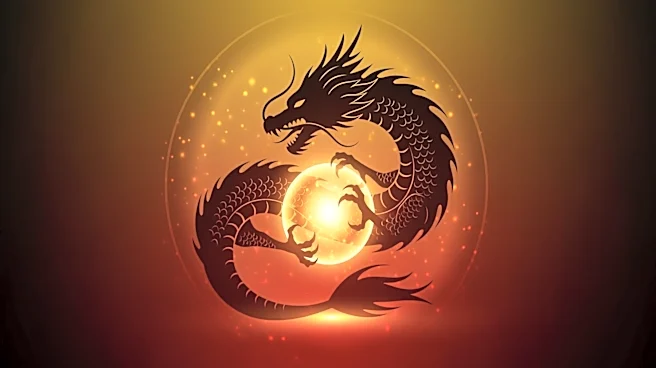








The Dragon, a mythical creature in the Chinese zodiac, is not only a symbol of power and luck but also has a significant impact on birth rates and cultural beliefs. As the fifth animal in the zodiac cycle, the Dragon is associated with the Earthly Branch symbol chen and is revered for its auspicious qualities. This article examines how the Dragon influences birth rates and cultural beliefs, highlighting its role in shaping societal trends.
The Dragon's Impact on Birth Rates
The Year
of the Dragon is considered a lucky year, leading to marked spikes in birth rates in countries that use the Chinese zodiac or have substantial Chinese populations. Parents hope that their children born under the Dragon sign will inherit its positive traits, such as ambition, courage, and success. This belief in the Dragon's auspicious qualities underscores its importance in Chinese culture and its enduring legacy.
The phenomenon of planning a child's birth in the Year of the Dragon has led to hospital capacity issues and even an uptick in infant mortality rates toward the end of these years due to strained neonatal resources. This trend highlights the societal impact of the Dragon's symbolism, as families strive to align their lives with the zodiac's perceived benefits.
Cultural Beliefs Surrounding the Dragon
The Dragon's symbolism extends beyond birth rates, influencing cultural beliefs and practices. In Chinese culture, the Dragon is a symbol of power and authority, often depicted in art and folklore as a majestic creature capable of controlling the elements. This association with water and rain reflects the Dragon's role in bringing prosperity to the land, further enhancing its status as a symbol of good fortune.
The Dragon's influence is also evident in its compatibility with other zodiac signs. As part of the first trine group, which includes the Rooster and the Rat, the Dragon is believed to bring balance and harmony. This grouping highlights the Dragon's role as a mediator and leader, capable of fostering cooperation and unity.
The Dragon's Enduring Legacy
Despite attempts to alter the Dragon's symbolism, such as during China's Cultural Revolution when there was an attempt to replace it with the giant panda, the Dragon's legacy endures. Its mythical nature allows it to transcend cultural boundaries, making it a universal symbol of hope and aspiration.
The Dragon's influence on birth rates and cultural beliefs underscores its significance in shaping societal trends. As the world continues to change, the Dragon's legacy remains a powerful reminder of the potential for greatness and the importance of aligning with auspicious symbols.