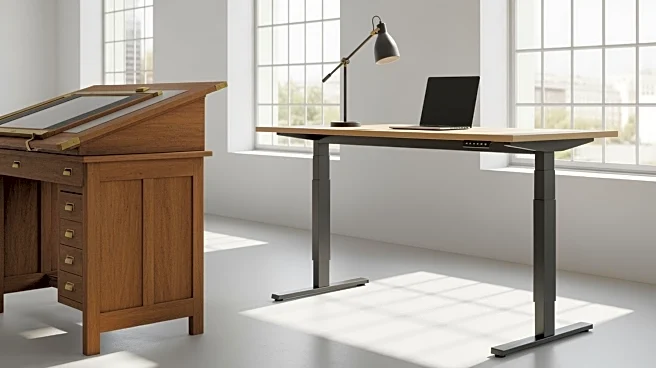




Standing desks have become increasingly popular in modern workplaces, but their history dates back centuries. Originally conceived for writing, reading, or drawing while standing, these desks have evolved significantly over time. This article explores the historical development of standing desks, highlighting their use by notable figures and their transformation into the adjustable models we see today.
Historical Use by Notable Figures
Several prominent writers and statesmen have been
known to use standing desks. Thomas Jefferson, Charles Dickens, Winston Churchill, Ernest Hemingway, Henry Wadsworth Longfellow, and Vladimir Nabokov are among those who preferred to write while standing. These individuals often had specially made desks or lecterns to accommodate their unique working styles. The standing desk was not just a piece of furniture but a tool that facilitated their creative processes.
The use of standing desks by such influential figures underscores their long-standing presence in history. These desks were crafted to specific heights, allowing users to stand comfortably while engaging in intellectual pursuits. The preference for standing desks among these historical figures suggests an early recognition of the benefits of standing while working, a concept that continues to resonate in today's health-conscious society.
Variations and Innovations
Standing desks have been made in various styles and variations to suit different tasks. Some desks are specialized for specific activities, such as telephone desks or architectural drafting desks. Others are designed to be adjustable, allowing users to switch between sitting and standing positions. This adaptability is achieved through mechanisms like electric motors, hand cranks, or counterbalance systems.
The evolution of standing desks has also seen the introduction of platforms that can be placed on top of existing desks, transforming them into standing workstations. These platforms can be fixed or adjustable, catering to the diverse needs of users. The development of height-adjustable desks, or sit-stand desks, represents a significant innovation, purported to offer health benefits by reducing sitting time during the workday.
Modern Implications and Health Effects
In recent years, standing desks have gained popularity due to their potential health benefits. Research suggests that providing employees with standing desk options may reduce the amount of time spent sitting at work, potentially decreasing the risk of low back pain. However, the evidence supporting these claims is of low quality, and the long-term health benefits remain a subject of debate.
Despite the lack of consensus on recommended levels of sitting and standing at work, standing desks are seen as a way to encourage light physical activity and reduce sedentary time. Studies have shown that introducing standing desks in workplaces can lead to significant reductions in sitting time among employees. As the conversation around workplace health continues, standing desks remain a focal point in discussions about improving employee well-being and productivity.