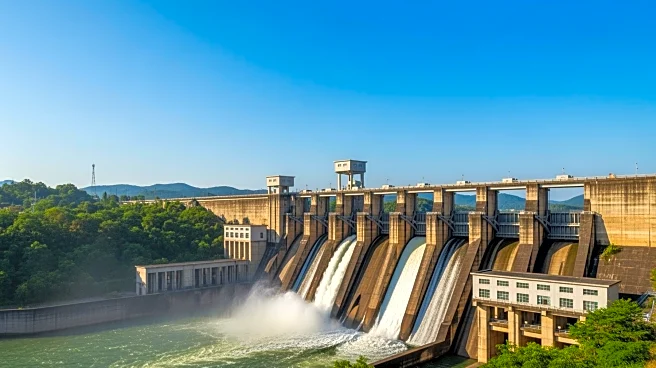

Hydroelectric power has long been a cornerstone of renewable energy in the United States. As the second-largest source of renewable electricity, hydroelectric power plays a crucial role in the country's
energy mix. Despite being surpassed by wind energy in recent years, it remains a vital component of the U.S. renewable energy landscape.
Historical Significance and Development
The development of hydroelectric power in the United States dates back to the early 20th century, with iconic projects like the Hoover Dam and the Grand Coulee Dam. These large-scale infrastructure projects not only provided electricity but also supported economic growth and development in their regions. The Tennessee Valley Authority, established during the Great Depression, further expanded hydroelectric capacity, bringing electricity to rural areas and boosting local economies.
Hydroelectric power has historically been the largest source of renewable electricity in the U.S., providing a stable and reliable energy supply. Its ability to generate electricity on demand makes it a valuable asset for balancing the grid and supporting other renewable sources like wind and solar.
Environmental and Economic Benefits
Hydroelectric power offers several environmental benefits, including low greenhouse gas emissions and minimal air pollution. Unlike fossil fuel-based power plants, hydroelectric facilities do not burn fuel, resulting in cleaner air and a reduced carbon footprint. Additionally, hydroelectric power plants have long lifespans, often operating for several decades with relatively low maintenance costs.
Economically, hydroelectric power contributes to local economies by providing jobs and supporting industries such as tourism and recreation. Many hydroelectric dams create reservoirs that offer recreational opportunities like boating and fishing, attracting visitors and boosting local businesses.
Challenges and Future Prospects
Despite its benefits, hydroelectric power faces challenges, including environmental concerns and the need for modernization. The construction of dams can disrupt local ecosystems and impact fish populations, requiring careful management and mitigation strategies. Additionally, many existing hydroelectric facilities are aging and require upgrades to improve efficiency and safety.
Looking ahead, the future of hydroelectric power in the United States will likely involve a focus on modernization and sustainability. Upgrading existing facilities and exploring new technologies, such as small-scale and pumped-storage hydroelectric systems, can enhance the role of hydroelectric power in the renewable energy mix. As the U.S. continues to transition to a more sustainable energy system, hydroelectric power will remain a key player in providing clean, reliable, and affordable electricity.