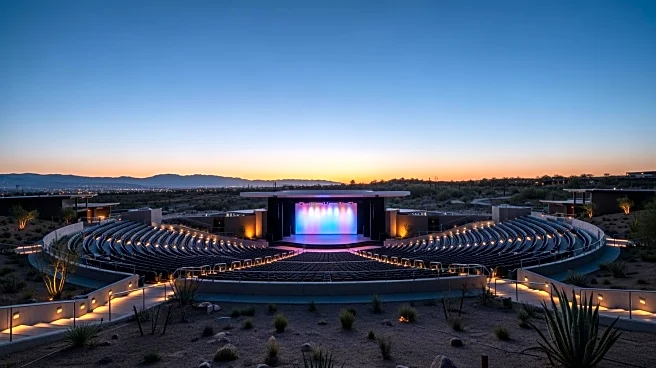




The Monterey International Pop Festival, held in June 1967, is often credited with marking the beginning of the "rock era." This three-day event not only showcased a diverse lineup of performers but also set the stage for future music festivals. With over 200,000 attendees, the festival became a cultural milestone, influencing both the music industry and the broader cultural landscape.
A New Era in Music
The Monterey International Pop Festival is seen as a pivotal moment
in music history, transitioning from the "rock and roll" era to what is now known as the "rock era." This shift was not just about the music itself but also about the cultural and social changes it represented. The festival brought together a wide array of artists, from emerging talents like Jimi Hendrix and Janis Joplin to established acts like The Beach Boys, who ultimately canceled their appearance. This mix of performers highlighted the evolving music scene and the growing importance of rock music as a cultural force.
The festival's impact on the music industry was profound. Many artists who performed at Monterey went on to achieve significant fame and success. Jimi Hendrix, for example, became a household name after his electrifying performance, which included setting his guitar on fire. Janis Joplin's powerful vocals also captured the audience's attention, propelling her to stardom. The festival served as a launching pad for these artists, demonstrating the power of live performances in building a musician's career.
A Template for Future Festivals
Monterey set a precedent for future music festivals, both in terms of organization and cultural significance. The event was one of the first to bring together such a diverse lineup of artists, paving the way for festivals like Woodstock and Coachella. The success of Monterey demonstrated the potential for large-scale music events to bring people together and create a sense of community.
The festival's influence extended beyond the music industry. It became a symbol of the counterculture movement of the 1960s, embodying the ideals of peace, love, and music. The event's emphasis on artistic expression and cultural exchange resonated with the youth of the time, who were seeking new ways to connect and express themselves.
Lasting Legacy
The legacy of the Monterey International Pop Festival continues to be felt today. It not only changed the music industry but also had a lasting impact on popular culture. The festival's emphasis on diversity and inclusivity set a standard for future events, encouraging organizers to create spaces where different voices and styles could be celebrated.
In conclusion, the Monterey International Pop Festival was more than just a music event; it was a cultural phenomenon that helped shape the future of music and festivals. Its influence can still be seen in the way music is performed, consumed, and celebrated around the world.