




Breathing is a universal human experience, yet it holds diverse cultural and symbolic meanings across different societies. From expressions in language to practices in music and spirituality, breathing is deeply intertwined with cultural identity and human expression. This article explores the cultural significance of breathing and its symbolic representations.
Breathing in Language and Expression
Breathing is often used metaphorically in language to convey emotions and experiences. Common
expressions such as "to catch my breath" or "took my breath away" illustrate how breathing is linked to moments of surprise, relief, or awe. These phrases reflect the physical sensation of breathlessness that accompanies intense emotions.
The word "spirit" itself is derived from the Latin spiritus, meaning breath. This etymology highlights the connection between breath and life force, a concept found in many cultures. In the Hebrew Bible, breath is described as the divine gift that animates life, with God breathing life into Adam. Such expressions underscore the vital role of breath in human existence and its symbolic association with life and vitality.
Breathing in Music and Performance
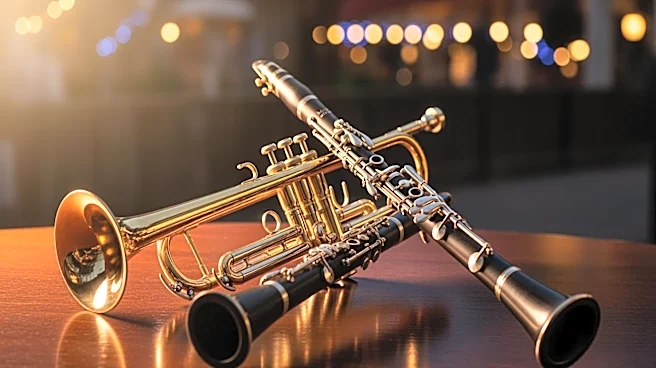
Breathing is integral to musical performance, particularly for singers and wind instrument players. Techniques like circular breathing allow musicians to maintain continuous sound by inhaling through the nose while simultaneously exhaling through the mouth. This skill is essential for playing long phrases without interruption.
Singers rely on breath control to produce clear and sustained notes, using diaphragmatic breathing to support their vocal performance. The ability to manage breath effectively is crucial for achieving the desired tone and expression in music. These practices demonstrate how breathing is not only a physical necessity but also an artistic tool that enhances musical expression.
Spiritual and Meditative Practices
Breathing holds spiritual significance in various meditative practices. In tai chi, breathing exercises are combined with movement to strengthen the diaphragm and improve posture, making better use of the body's qi. Similarly, yoga incorporates pranayama, a practice of breath control, to balance energy and promote relaxation.
These disciplines view breath as a conduit for spiritual and physical well-being, emphasizing its role in achieving inner peace and harmony. The symbolic use of breath in meditation reflects its importance in connecting the body and mind, fostering a sense of unity and tranquility.
Breathing is more than a physiological function; it is a cultural and symbolic element that enriches human experience. Through language, music, and spirituality, breathing continues to inspire and connect people across cultures, highlighting its profound significance in our lives.