





Power transmission systems have undergone significant transformations since their inception, evolving from simple mechanical setups to complex electrical grids. This article delves into the historical development of power transmission systems, highlighting key technological advancements that have shaped their evolution. From the early days of mechanical power transmission to the modern era of electrical grids, the journey of power transmission is a testament
to human ingenuity and technological progress.
Early Mechanical Power Transmission
The history of power transmission dates back to the 16th century, when mechanical power transmission was the norm. Early systems relied on push-rods or jerker lines to connect waterwheels to distant mine-drainage and brine-well pumps. These systems were crucial in the operation of various industrial processes, such as ore processing and salt production. A notable example from 1780 at Bad Kösen transmitted power approximately 200 meters from a waterwheel to a salt well, showcasing the ingenuity of early engineers in harnessing mechanical power over long distances.
By the 19th century, factories were equipped with overhead line shafts that provided rotary power to individual machines. These line shafts were connected to machines using drive belts, which became the standard method of power transmission in factories. The transition from geared connections to drive belts marked a significant advancement in mechanical power transmission, allowing for more efficient and flexible operation of machinery.
The Rise of Electrical Power Transmission
The advent of electrical power transmission marked a turning point in the history of power systems. With the widespread establishment of electrical grids, power transmission became synonymous with electric power transmission. Alternating current (AC) was favored for its ability to be easily stepped up or down in voltage using transformers, minimizing resistive losses over long distances. This capability made AC the preferred choice for transmitting power over great distances, revolutionizing the way energy was distributed and consumed.
Electrical power transmission systems have evolved to include both overhead lines and underground cables. While overhead lines remain the most economical method of transmission, underground cables are used in crowded urban areas and for high-voltage direct-current (HVDC) submarine connections. These advancements have enabled the efficient and reliable distribution of electrical power to meet the growing demands of modern society.
Modern Innovations and Future Prospects
In recent years, power transmission systems have continued to evolve with the integration of advanced technologies. The development of high-voltage cables and wireless power transfer methods has expanded the possibilities for power transmission. Additionally, the use of changing electromagnetic fields and radio waves for power transmission is being explored, offering new avenues for efficient energy distribution.
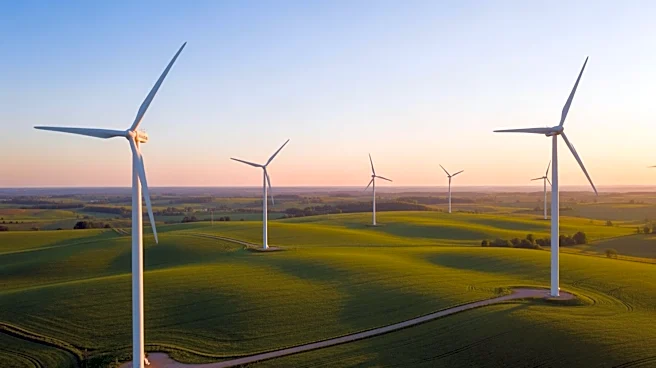
As the world moves towards renewable energy sources, the role of power transmission systems becomes increasingly important. The ability to transmit power from remote generation sites, such as wind and solar farms, to urban centers is crucial for the transition to a sustainable energy future. The ongoing advancements in power transmission technology will play a vital role in shaping the energy landscape of tomorrow.