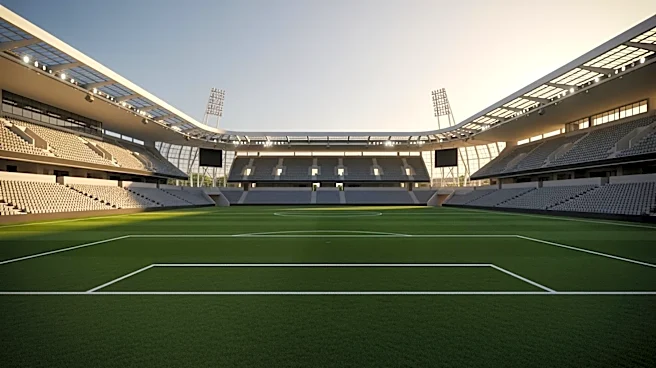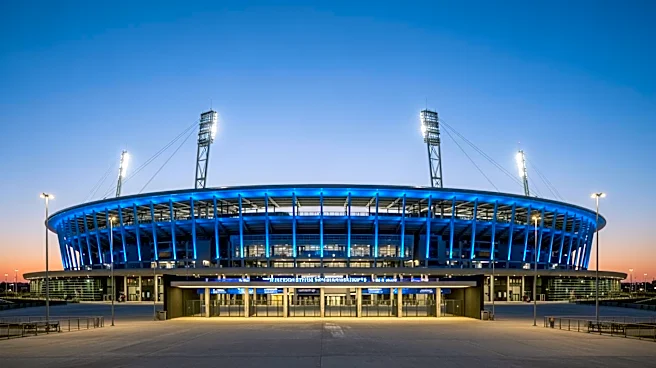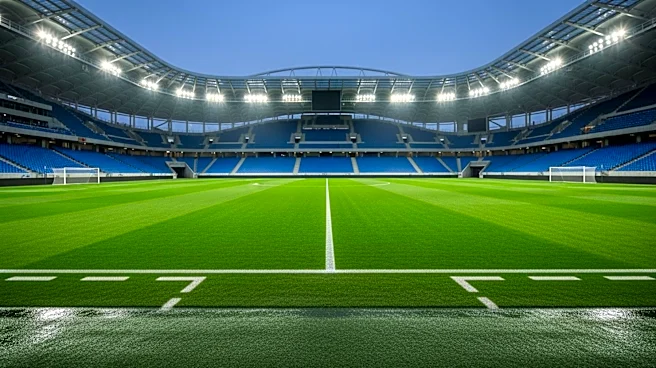


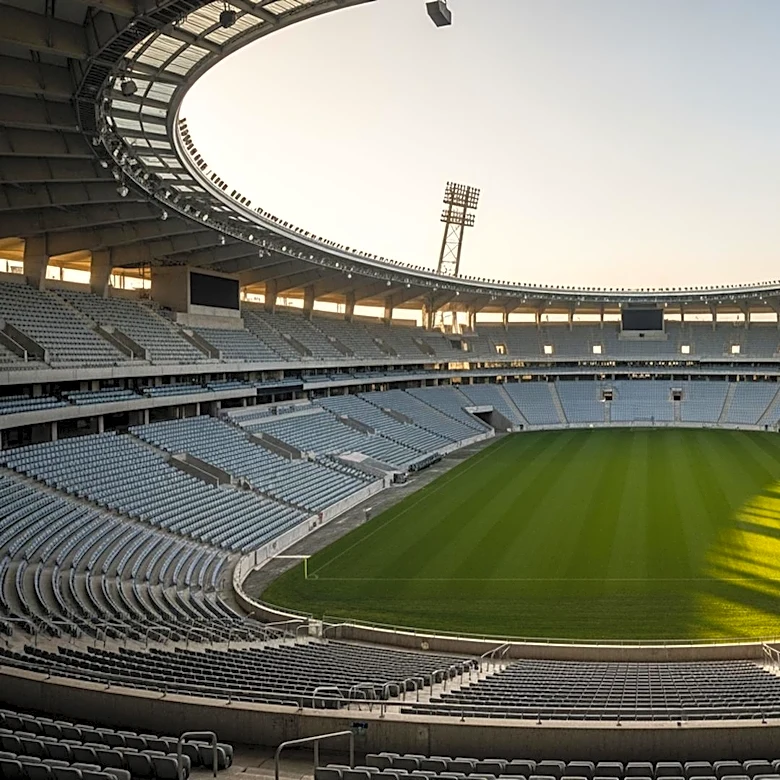




The Nelson Mandela Bay Stadium in Gqeberha, South Africa, was constructed as a key venue for the 2010 FIFA World Cup. This event marked a significant moment in South Africa's history, showcasing the country's ability to host a global sporting event. The stadium played a crucial role in this achievement, leaving a lasting legacy in the region.
Hosting the World Cup
Built specifically for the 2010 FIFA World Cup, the Nelson Mandela Bay Stadium was one of the new stadiums
constructed to meet the demands of the tournament. It hosted several important matches, including five group stage games, one round of 16 match, a quarter-final, and the third-place playoff. These events brought international attention to Gqeberha, highlighting the city's capacity to host large-scale events.
The stadium's construction was part of a broader effort to prepare South Africa for the World Cup. It was the first world-class soccer stadium built in the Eastern Cape province, setting a new standard for sports venues in the region. The successful hosting of the World Cup matches at this stadium demonstrated South Africa's readiness to be a player on the global stage.
Economic and Social Impact
The impact of the World Cup on Gqeberha and the surrounding area was significant. The influx of tourists and soccer fans provided a boost to the local economy, benefiting businesses and creating jobs. The stadium itself became a focal point for community activities, drawing people together for both sports and cultural events.
Beyond the immediate economic benefits, the stadium has had a lasting social impact. It has become a symbol of pride for the local community, representing the successful hosting of a major international event. The stadium continues to serve as a venue for local sports teams and events, maintaining its relevance and importance in the community.
A Continuing Legacy
Since the World Cup, the Nelson Mandela Bay Stadium has continued to be a hub of activity. It regularly hosts soccer and rugby matches, as well as other events. The stadium's facilities, including VIP and business suites, make it a versatile venue for a variety of functions.
The legacy of the 2010 FIFA World Cup lives on through the stadium. It stands as a reminder of South Africa's achievements and its ability to bring people together through sport. The stadium's ongoing use ensures that it remains a vital part of the community, contributing to the cultural and economic life of Gqeberha.
In summary, the Nelson Mandela Bay Stadium is more than just a sports venue. It is a symbol of the 2010 FIFA World Cup's success and its lasting impact on the region. As a legacy of this historic event, the stadium continues to play a crucial role in the community.