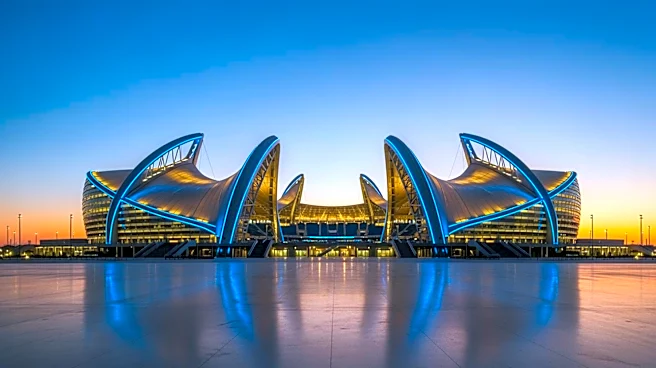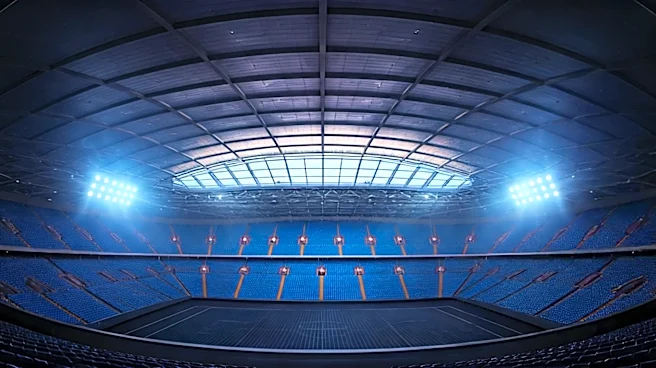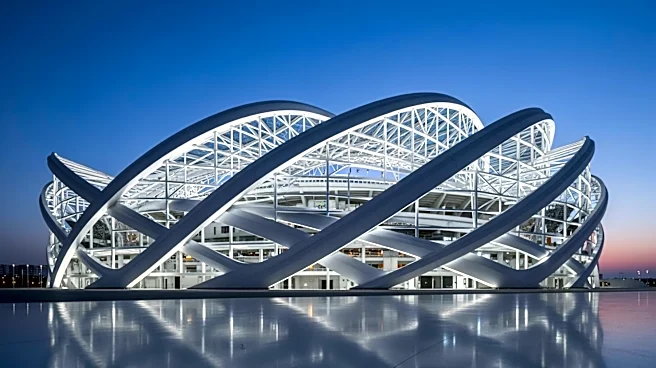



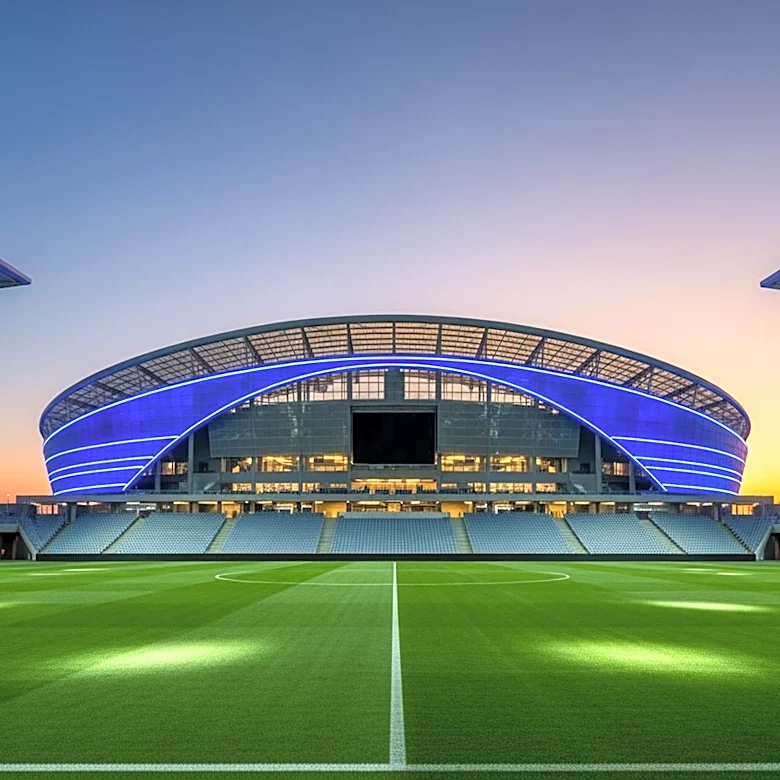


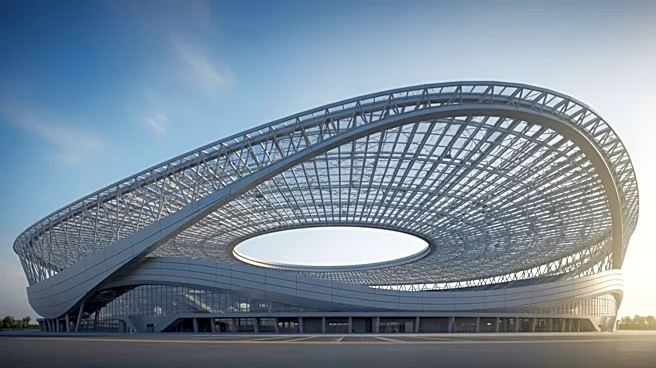

Lusail Stadium, located in Lusail, Qatar, is a remarkable architectural feat that stands as a testament to modern design and engineering. With a seating capacity of over 88,000, it was the centerpiece for the 2022 FIFA World Cup final. The stadium's design is not only functional but also deeply symbolic, reflecting the cultural heritage of Qatar.
Design Inspiration
The design of Lusail Stadium draws inspiration from the traditional dhow sail, a nod to Qatar's maritime
history. This design choice is significant as it connects the modern structure to the country's past, where dhows were integral to the pearling industry. The architects, MANICA Architecture and Foster and Partners, have successfully blended this historical element with contemporary aesthetics, creating a stadium that is both visually stunning and culturally resonant.
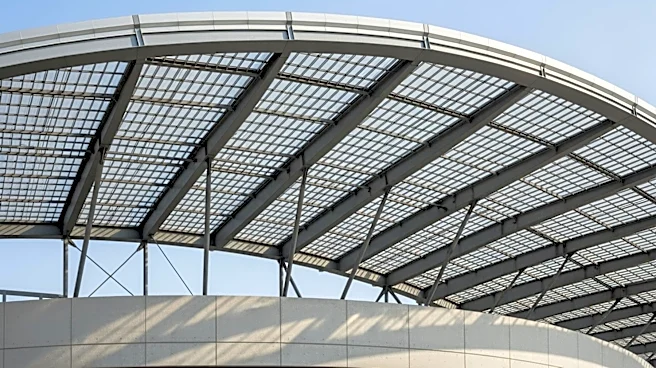
The stadium's exterior features intricate patterns that mimic the decorative motifs found in traditional Qatari art and architecture. These patterns not only enhance the visual appeal of the stadium but also serve a practical purpose by providing shade and reducing heat gain, which is crucial in Qatar's hot climate.
Sustainable Features
Sustainability was a key consideration in the design of Lusail Stadium. The architects incorporated several eco-friendly features to minimize the environmental impact of the stadium. One of the most notable features is the use of advanced cooling technology, which ensures a comfortable environment for spectators while reducing energy consumption.
The stadium also utilizes a combination of fritting, shading, and bright finishes to minimize heat effects. This approach not only enhances the comfort of the spectators but also reduces the overall energy demand of the stadium. Additionally, the design optimizes the ratio of opaque and glazed walls, further contributing to energy efficiency.
Future Adaptations
After hosting the 2022 FIFA World Cup final, Lusail Stadium is set to undergo significant changes. The plan is to reduce its capacity from 88,000 to 40,000 seats. This reduction will allow for the repurposing of the stadium's space to include community facilities, shops, and a health clinic, making it a versatile venue that serves the local community.
This transformation reflects a broader trend in stadium design, where venues are designed to be adaptable and multifunctional. By incorporating these changes, Lusail Stadium will continue to be a vital part of the community, providing a space for various events and activities beyond football.
In conclusion, Lusail Stadium is more than just a sports venue; it is a symbol of Qatar's cultural heritage and a model of sustainable design. Its innovative architecture and future adaptability ensure that it will remain a significant landmark in Lusail for years to come.