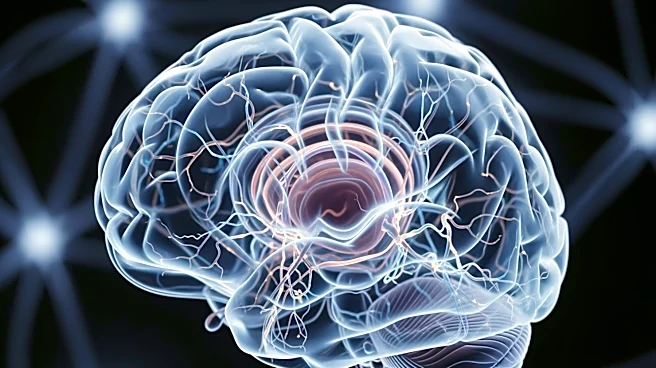








Sadness is not just an emotional experience but also a neurological one. Advances in neuroscience have allowed researchers to explore the brain activity associated with sadness, providing insights into how this emotion affects our mental and physical states. This article explores the brain regions involved in sadness and the implications of these findings.
Brain Regions Involved in Sadness
Research has shown that sadness is associated with increased activity in several brain regions.
These include the middle and posterior temporal cortex, lateral cerebellum, cerebellar vermis, midbrain, putamen, and caudate. Using positron emission tomography (PET), scientists have been able to provoke sadness in study participants by asking them to think about sad events, observing increased activity in these areas.
One significant finding is the increased activity in the bilateral inferior and orbitofrontal cortex during sadness. This suggests that these regions play a crucial role in processing the emotional pain associated with sadness. Additionally, studies have shown that sadness correlates with significant increases in activity in the prefrontal cortex, particularly in Brodmann's area 9, and the thalamus. These findings highlight the complex network of brain regions involved in the experience of sadness.
Implications of Sadness on Brain Function
Understanding the brain activity associated with sadness has important implications for mental health. The increased activity in specific brain regions during sadness suggests that this emotion is not just a psychological experience but also a physiological one. This knowledge can help in developing targeted treatments for mood disorders such as depression, which is characterized by prolonged sadness.
The research also suggests that sadness can lead to cognitive changes that help individuals cope with loss. For example, when sad, people tend to be less influenced by their existing beliefs and more open to reevaluating their goals and priorities. This cognitive flexibility can be beneficial in adapting to new circumstances and finding meaning in difficult experiences.
Future Directions in Sadness Research
As neuroscience continues to advance, researchers are likely to uncover more about the brain's role in processing sadness. Future studies may explore how individual differences in brain activity relate to variations in emotional experience and resilience. Understanding these differences could lead to personalized approaches to mental health treatment, helping individuals manage sadness more effectively.
Overall, the neuroscience of sadness provides valuable insights into the complex interplay between emotion and brain function. By continuing to explore this area, researchers can contribute to a deeper understanding of human emotions and their impact on mental health.