






Social anxiety is a complex emotion that many people experience in social settings. It is characterized by discomfort or fear when interacting with others, and it can significantly impact an individual's daily life. This article explores the nature of social anxiety, its symptoms, and how it affects those who experience it.
The Nature of Social Anxiety
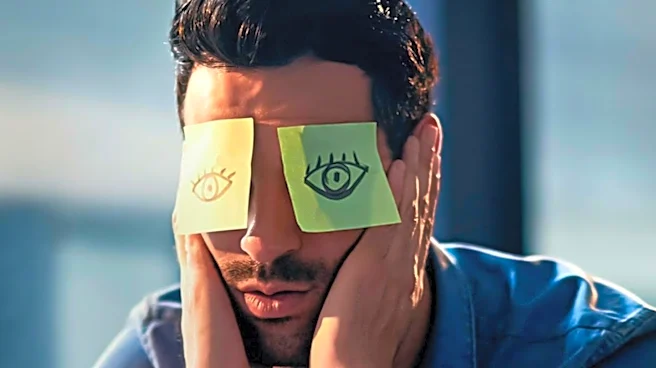
Social anxiety is more than just shyness or occasional nervousness in social situations. It is a persistent fear of being judged or scrutinized by others, which can lead to significant distress and avoidance of social interactions. This anxiety often manifests during the teenage years and can persist into adulthood if not addressed. Unlike state anxiety, which is a temporary response to a specific situation, trait social anxiety is a stable tendency to experience anxiety in social settings.Individuals with social anxiety may avoid eye contact, exhibit fewer facial expressions, and struggle to initiate or maintain
conversations. These behaviors are often attempts to avoid drawing attention to themselves, which they fear could lead to negative evaluation or embarrassment. The anxiety can be so overwhelming that it interferes with daily functioning, making it difficult to engage in normal social activities.
Symptoms and Physical Manifestations
Social anxiety can present a range of symptoms, both psychological and physical. Common physical symptoms include excessive blushing, sweating, trembling, and nausea. Some individuals may experience rapid speech or stammering, and in severe cases, panic attacks can occur. These symptoms are not just uncomfortable; they can be debilitating, leading individuals to avoid social situations altogether.The psychological symptoms of social anxiety include intense fear of being judged, feelings of inadequacy, and a constant worry about embarrassing oneself. These fears can lead to avoidance behaviors, where individuals steer clear of social interactions that might trigger their anxiety. Over time, this avoidance can lead to isolation and a decrease in quality of life.
The Impact of Social Anxiety
The impact of social anxiety on an individual's life can be profound. It can affect personal relationships, academic performance, and career opportunities. People with social anxiety may miss out on important life experiences because they are too afraid to participate in social activities. This can lead to feelings of loneliness and depression, further exacerbating the anxiety.Social anxiety is sometimes referred to as an "illness of lost opportunities" because individuals may make significant life choices to accommodate their anxiety. For example, they might choose a career that requires minimal social interaction or avoid pursuing higher education due to fear of public speaking. Understanding and addressing social anxiety is crucial for helping individuals lead fulfilling lives.