

Silverstone Circuit, a name synonymous with high-speed racing, has a rich history that traces back to its origins as a World War II airfield. Over the decades, it has transformed into one of the most iconic racing circuits in the world, hosting numerous prestigious events, including the British Grand Prix. This article explores the fascinating journey of Silverstone from its early days to its current status as a premier racing venue.
From Airfield to Racing Circuit
Silverstone's
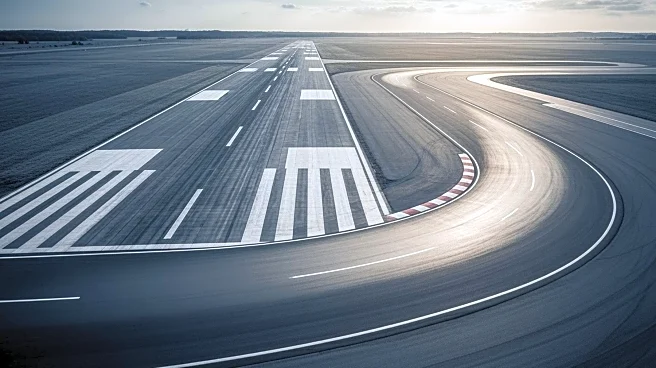
story begins during World War II when it served as a Royal Air Force bomber station, RAF Silverstone. The airfield, operational between 1943 and 1946, featured three runways in a classic WWII triangle format. After the war, the deserted airfield caught the attention of motorsport enthusiasts. In September 1947, a group of friends, led by Maurice Geoghegan, organized an impromptu race on the airfield, marking the unofficial beginning of Silverstone's racing history.
The following year, the Royal Automobile Club (RAC) took a lease on the airfield and established a more formal racing circuit. Initially, races were held on the runways, with long straights and tight hairpin corners. However, by 1949, the circuit layout was switched to the perimeter track, setting the stage for the first official British Grand Prix in 1950.
Major Redesigns and Developments
Silverstone has undergone several significant redesigns to enhance its safety and competitiveness. In 1952, the start line was moved, and the layout remained largely unchanged for nearly four decades. However, in 1990, the circuit underwent a major transformation, introducing a more technical track with challenging corners like Maggotts, Becketts, and Chapel.
The tragic deaths of Ayrton Senna and Roland Ratzenberger in 1994 prompted further modifications to improve safety. Corners such as Copse, Stowe, and Abbey were re-profiled to reduce speed and increase runoff areas. In 2010, the circuit saw another major redevelopment, with the introduction of the Arena layout, which extended the track's length and added new sections to enhance the racing experience.
Silverstone Today
Today, Silverstone Circuit stands as a testament to the evolution of motorsport. It hosts a variety of events, including the British Grand Prix, MotoGP, and endurance races. The circuit's facilities have been continuously upgraded, with a new pit complex completed in 2011, further solidifying its status as a world-class racing venue.
Silverstone's journey from a wartime airfield to a global racing icon is a remarkable tale of transformation and innovation. Its rich history and ongoing developments ensure that it remains at the forefront of motorsport for years to come.