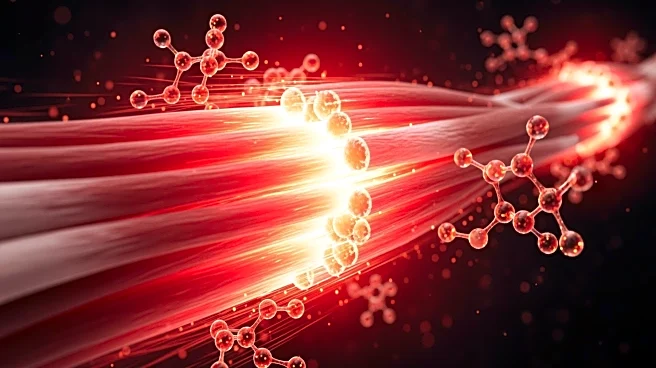




Anaerobic exercise plays a crucial role in metabolic processes, particularly in how the body expends energy during high-intensity activities. Unlike aerobic exercise, which relies on oxygen, anaerobic exercise breaks down glucose without oxygen, leading to unique metabolic effects. This article delves into the metabolic aspects of anaerobic exercise and how it influences energy expenditure.
Anaerobic Metabolism Explained
Anaerobic metabolism is a natural part of the body's energy
expenditure. It occurs when fast twitch muscle fibers are activated, leading to increased anaerobic energy expenditure. These fibers are used during intense exercise, such as sprinting or weightlifting, where the demand for energy exceeds what aerobic metabolism can provide.
The anaerobic energy systems include high-energy phosphates stored within muscle cells and anaerobic glycolysis, which uses glucose and glycogen as fuel. The rapid breakdown of glucose results in the formation of lactic acid, a by-product that has traditionally been seen as detrimental to muscle function. However, elevated lactate levels are only one of many changes that occur during intense exercise.
Measuring Anaerobic Energy Expenditure
Quantifying anaerobic energy expenditure can be challenging. Some methods estimate the anaerobic component of exercise by determining the maximum accumulated oxygen deficit or measuring lactic acid formation in muscle mass. These measurements help understand the extent of anaerobic activity during exercise.
Anaerobic exercise is intense enough to cause lactate formation, which can lead to muscle fatigue. However, fatigue is a complex subject influenced by various factors, including energy availability, oxygen delivery, and psychological aspects. Training can improve the effectiveness of anaerobic activity, enhancing the body's ability to manage lactate levels.
The Impact on Basal Metabolic Rate
Anaerobic exercise can increase an individual's basal metabolic rate (BMR), which is the rate at which the body expends energy at rest. This increase in BMR can aid in weight management and overall fitness. By engaging in anaerobic activities, individuals can boost their metabolism, leading to more efficient energy use throughout the day.
Incorporating anaerobic exercise into a fitness routine can provide significant metabolic benefits. Whether through high-intensity interval training or strength training, these activities challenge the body's energy systems, promoting better metabolic health and improved physical performance.