


Sequential gearboxes are a marvel of engineering, designed to provide faster and more efficient gear changes. Predominantly used in motorcycles and racing cars, these gearboxes offer a unique approach to transmission. This article delves into the mechanics of sequential gearboxes, explaining how they function and what sets them apart from traditional manual transmissions.
Design and Functionality
At the heart of a sequential gearbox is its non-synchronous design, which allows
for faster shift times compared to synchronized manual transmissions. Unlike traditional gearboxes, which allow drivers to select any gear, sequential gearboxes restrict the driver to selecting either the next or previous gear in a successive order. This design minimizes the risk of selecting the wrong gear and enhances the overall driving experience.
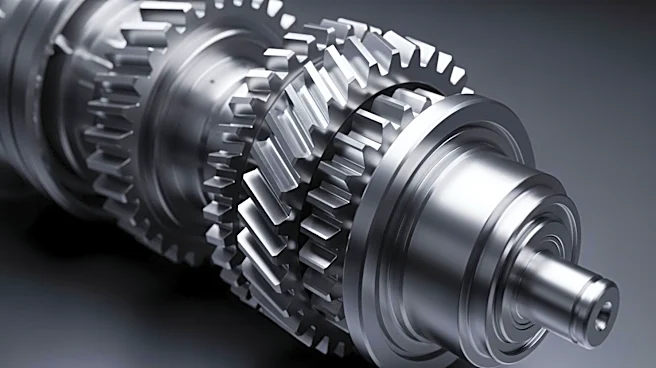
Sequential gearboxes utilize dog clutches instead of synchromesh, which contributes to their rapid shift speeds. The shift lever operates a ratchet mechanism that converts the fore-and-aft motion into the rotation of a gear shift drum or selector drum. This drum has tracks machined around its circumference, guiding selector forks to engage the required gear.
Operation and Advantages
One of the key advantages of sequential gearboxes is the elimination of the need to operate the clutch during gear changes. The clutch is only required when the vehicle starts, allowing for seamless upshifting and downshifting. This is achieved through the engagement ring, or "dog ring," which transmits power synchronously as it comes into contact.
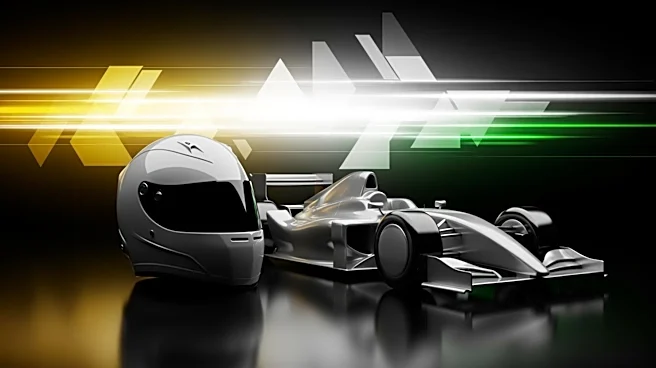
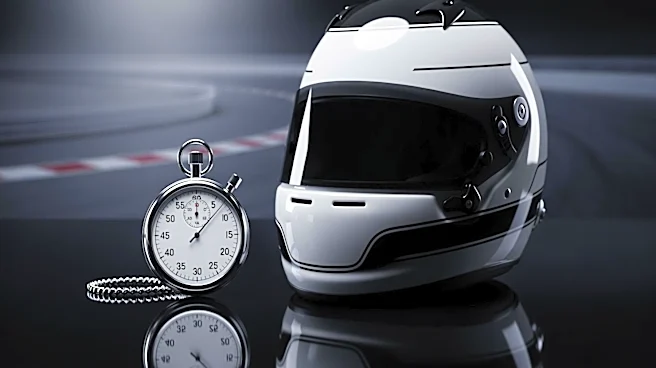
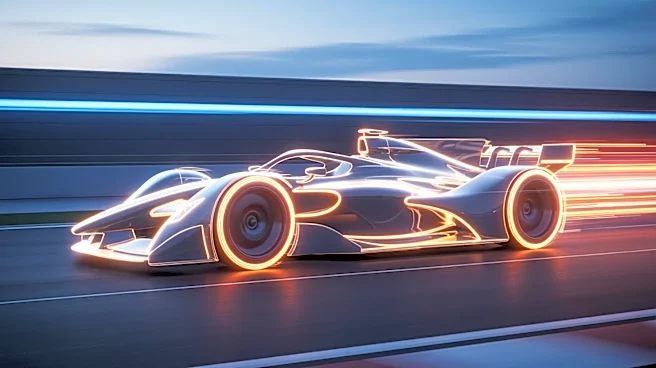
The shift time in a sequential gearbox is typically 5 milliseconds or less, making it ideal for high-performance applications. This rapid shift capability is why sequential gearboxes are now standard in all Formula 1 cars, where every millisecond counts.
Distinction from Other Transmissions
It's important to note that sequential gearboxes differ significantly from manumatic sequential shifting functions found in some hydraulic automatic transmissions. While both allow the driver to select gears, the mechanics of a true sequential manual transmission are distinct. Sequential gearboxes are designed for performance, with a focus on speed and precision, whereas manumatic systems prioritize convenience and ease of use.
In conclusion, the mechanics of sequential gearboxes offer a fascinating glimpse into the world of high-performance engineering. Their ability to provide rapid and precise gear changes has made them a staple in racing and motorcycle applications. As technology continues to advance, sequential gearboxes remain a testament to the pursuit of speed and efficiency in the automotive world.