





Allianz Arena in Munich, Germany, is not just a football stadium; it is an architectural marvel that stands out for its unique design and construction features. Known for its innovative exterior and state-of-the-art facilities, the stadium has become a landmark in the world of sports architecture. This article delves into the architectural aspects that make Allianz Arena a standout structure.
Innovative Design and Construction
The Allianz Arena is renowned for its distinctive exterior,
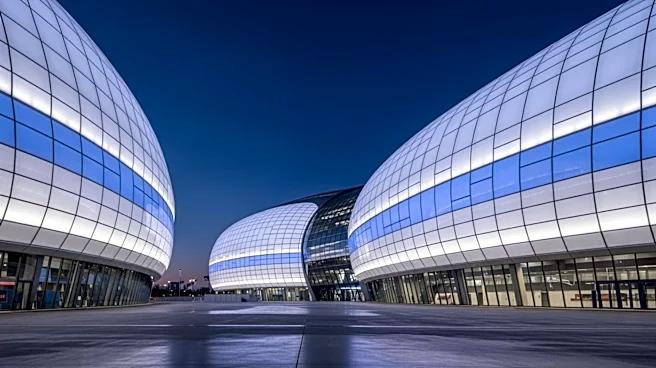
which is made up of 2,760 ETFE-foil air panels. These panels are inflated with dry air to maintain a differential pressure, giving the stadium its iconic appearance. The panels can be independently lit in different colors, allowing the stadium to glow in red, blue, or white, depending on the event. This feature not only enhances the visual appeal of the stadium but also allows it to be seen from miles away, even from the Austrian mountain tops on clear nights.
The construction of the stadium began in October 2002 and was completed by May 2005. Designed by the architectural firm Herzog & de Meuron, the stadium was built with a focus on providing an elevated entrance that separates it from the parking area, which is Europe's largest underground car park. The roof of the stadium includes built-in roller blinds that can be adjusted to provide shade and protection from the sun during games.
Capacity and Facilities
Allianz Arena boasts a seating capacity of 75,000 for domestic matches and 70,000 for international games. The stadium is designed to accommodate a large number of spectators comfortably, with a partial roof that covers all seats. The interior includes four team locker rooms, coaches' locker rooms, and two areas for athletes to warm up. Additionally, the stadium features 550 toilets and 190 monitors to enhance the spectator experience.
The stadium also houses three daycare centers and a fan shop, the FC Bayern Munich Megastore. Numerous restaurants and fast-food establishments are located around the stadium, catering to the needs of visitors. The Allianz Arena is not just a venue for football matches; it is a comprehensive facility designed to provide a complete entertainment experience.
Environmental and Technological Features
The Allianz Arena incorporates several environmental and technological features that set it apart. The stadium's facade is designed to maximize natural ventilation and lighting, reducing the need for artificial climate control. The use of stainless steel in the facade ensures durability and low maintenance, as it is naturally cleaned by rain.
The stadium also has a rainwater capture system that collects water from the roof, which is then reused in various sectors of the arena. This environmentally friendly approach not only conserves water but also prevents stormwater overload. Additionally, the stadium is equipped with high-definition security cameras capable of facial recognition, ensuring the safety and security of all visitors.
In conclusion, Allianz Arena is a testament to modern architectural innovation, combining aesthetic appeal with functional design. Its unique features and state-of-the-art facilities make it a premier destination for sports and entertainment events, setting a benchmark for stadium design worldwide.