

Touring car racing stands out in the world of motorsport for its unique blend of production-based vehicles, close competition, and manufacturer diversity. Unlike other racing disciplines, touring car racing emphasizes the resemblance of race cars to their road-going counterparts, creating a relatable and engaging experience for fans. This article delves into the distinctive characteristics that define touring car racing and contribute to its widespread
appeal.
Production-Based Vehicles and Modifications
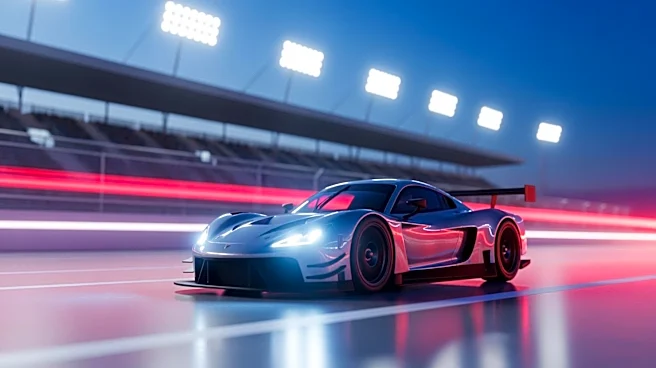
One of the defining features of touring car racing is its use of production-based cars that are modified for competition. While the cars retain their standard body shells, virtually every other component can be heavily altered, including engines, suspension, brakes, wheels, and tires. Aerodynamic aids are sometimes added to enhance performance, but the cars still maintain a close resemblance to their street versions.
This connection to everyday vehicles makes touring car racing particularly appealing to fans, who can easily relate to the cars on the track. The modifications allowed in touring car racing strike a balance between performance enhancement and cost control, ensuring that the sport remains accessible to a wide range of competitors.
Close Racing and Manufacturer Diversity
Touring car racing is renowned for its close competition, facilitated by regulations that promote balanced performance among different manufacturers. The use of Balance of Performance (BoP) adjustments ensures that no single manufacturer dominates the field, creating exciting and unpredictable races.
The diversity of manufacturers involved in touring car racing adds another layer of intrigue, as fans can support their favorite brands and witness the rivalry between different car makers. This aspect of the sport fosters a sense of community and loyalty among fans, enhancing the overall experience.
Endurance and Sprint Races
Touring car racing offers a variety of race formats, including short sprint races and endurance events lasting from 3 to 24 hours. These endurance races test the reliability of the cars and the skill of the pit crews, adding an element of strategy to the competition.
The combination of sprint and endurance races provides a dynamic and varied racing experience, catering to different preferences and showcasing the versatility of touring car racing. The endurance races, in particular, highlight the importance of teamwork and consistency, as drivers and crews work together to achieve success.
Touring car racing's unique characteristics make it a captivating motorsport discipline, offering fans a thrilling and relatable experience. Its emphasis on production-based vehicles, close competition, and manufacturer diversity ensures that the sport remains engaging and accessible, attracting audiences worldwide.