



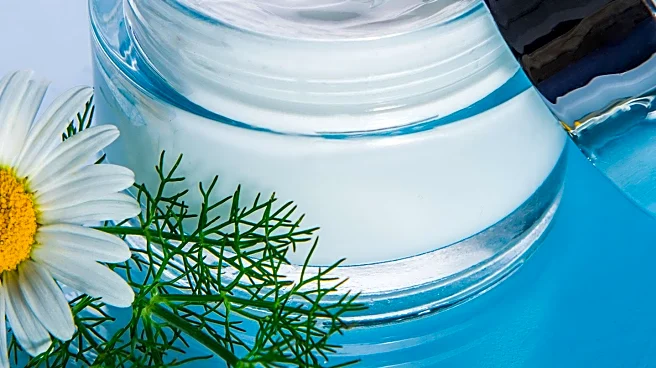
Night creams are a staple in many skincare routines, particularly for those focused on anti-aging. These products are designed to work overnight, providing moisture and promoting skin repair and regeneration. While the claims of anti-aging effects are often debated, night creams remain popular for their perceived benefits in maintaining healthy skin.
Understanding Night Creams
Night creams are typically moisturizer-based products that are marketed for their ability to reduce,
mask, or prevent visible signs of skin aging. These signs include wrinkles, discoloration, and loss of elasticity. Despite the popularity of these products, there is no conclusive scientific evidence supporting their effectiveness in reversing the aging process. The U.S. Food and Drug Administration (FDA) has issued warnings to manufacturers about false marketing claims, emphasizing that these products are not approved drugs.
The ingredients in night creams often include compounds that are believed to aid in skin repair and regeneration. These may include retinol, peptides, and antioxidants, which are thought to improve skin texture and appearance. However, the efficacy of these ingredients in significantly altering the aging process remains a topic of debate among experts.
Marketing and Consumer Perception
The marketing of night creams often targets consumers who are concerned about aging and wish to maintain youthful skin. Social media and advertising play significant roles in promoting these products, sometimes leading to unrealistic expectations. The cosmetics industry has been criticized for reinforcing ageism, particularly against women, by promoting the idea that older individuals should strive to look younger.
Despite these criticisms, night creams continue to be a popular choice for consumers seeking to enhance their skincare routines. The appeal of these products lies in their promise of overnight rejuvenation, which aligns with the desire for convenient and effective skincare solutions.
Night Creams and Skincare Routines
Incorporating a night cream into a skincare routine can be beneficial for maintaining skin hydration and health. While the anti-aging claims may be exaggerated, the moisturizing properties of night creams can help improve skin texture and prevent dryness. This is particularly important for individuals with mature skin, which tends to be more prone to dryness and loss of elasticity.
Ultimately, the decision to use a night cream should be based on individual skin needs and preferences. Consumers are encouraged to research product ingredients and consult with skincare professionals to determine the best options for their skin type. While night creams may not be a miracle solution for aging, they can play a supportive role in a comprehensive skincare regimen.