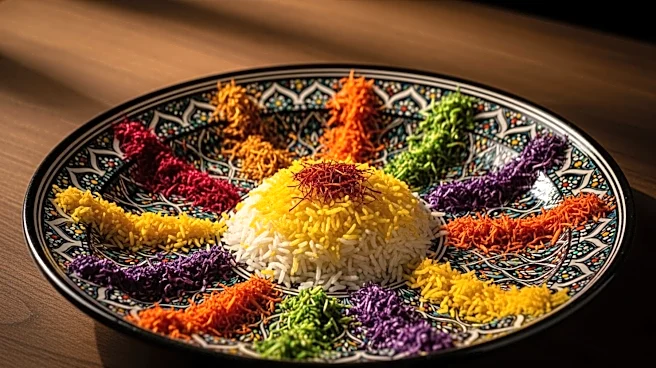

Iranian cuisine, also known as Persian cuisine, is a vibrant and diverse culinary tradition that reflects the rich cultural heritage of Iran. This cuisine is characterized by its use of a wide variety
of ingredients, including herbs, fruits, and spices, which come together to create dishes that are both flavorful and aromatic. From the use of saffron and dried lime to the incorporation of fresh fruits and nuts, Iranian cuisine offers a unique blend of flavors that have influenced many other culinary traditions around the world.
A Symphony of Ingredients
One of the defining features of Iranian cuisine is its use of a diverse array of ingredients. Herbs such as parsley, mint, and coriander are frequently used, both fresh and dried, to add depth and complexity to dishes. These herbs are often combined with fruits like plums, pomegranates, and apricots, which are used not only in desserts but also in savory dishes, providing a sweet and tangy contrast to the other flavors.
Nuts, including walnuts and pistachios, are another staple in Iranian cooking. They are often used to add texture and richness to dishes, whether sprinkled over rice or incorporated into stews. The use of spices is also integral to Iranian cuisine, with saffron, cinnamon, and turmeric being among the most commonly used. These spices not only enhance the flavor of the dishes but also contribute to their vibrant colors.
The Art of Rice and Bread
Rice is a central component of many Iranian meals, and its preparation is considered an art form. There are several methods of cooking rice in Iran, with chelow and polow being the most common. Chelow refers to plain rice served alongside stews or kebabs, while polow is rice mixed with other ingredients such as vegetables, meat, or nuts. The cooking process often involves creating a crispy crust known as tahdig, which is highly prized for its texture and flavor.
Bread is another staple in Iranian cuisine, with a variety of flatbreads such as lavash and sangak being commonly consumed. These breads are often used to scoop up stews or as a base for toppings, making them a versatile and essential part of the Iranian diet.
Influence Beyond Borders
Iranian cuisine has not only been shaped by its own rich history but has also influenced the culinary traditions of neighboring regions. The flavors and techniques of Iranian cooking can be seen in the cuisines of the Caucasus, Central Asia, and even parts of India and Pakistan. This cross-cultural exchange has enriched the culinary landscape of these regions, introducing new ingredients and methods of preparation.
In cities with significant Iranian diaspora populations, such as Los Angeles and Toronto, Iranian cuisine continues to thrive and evolve. These communities have helped to introduce the flavors of Iran to a wider audience, ensuring that this rich culinary tradition continues to be celebrated and enjoyed around the world.