



Exfoliation, a cornerstone of modern skincare, has a rich history that dates back to ancient civilizations. This practice, aimed at removing dead skin cells to enhance the skin's appearance, has evolved significantly over the centuries. From the rudimentary methods of ancient times to the sophisticated techniques used today, exfoliation has been an integral part of beauty rituals across cultures.
Ancient Practices of Exfoliation
The origins of exfoliation can be traced back to ancient
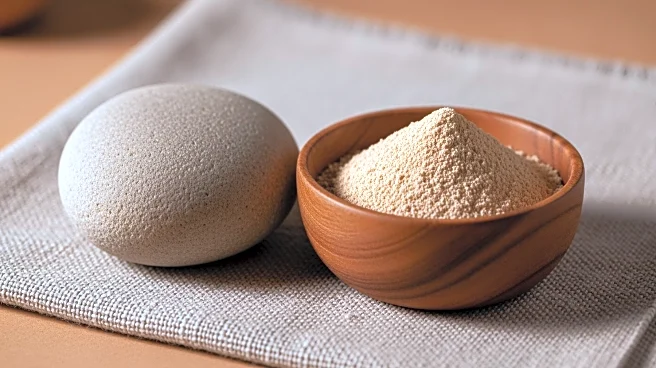
Egypt and China, where it was practiced as part of elaborate beauty routines. In ancient Egypt, exfoliation was achieved using natural ingredients like pumice stones and alabaster particles. These materials were used to scrub the skin, removing dead cells and impurities. The Egyptians believed that maintaining smooth, radiant skin was a sign of health and beauty, and exfoliation played a crucial role in achieving this ideal.
Similarly, in ancient China, exfoliation was practiced using herbal concoctions and abrasive materials. The Chinese developed various methods to cleanse and rejuvenate the skin, often incorporating exfoliation into their holistic approach to health and beauty. These early practices laid the foundation for the development of more advanced exfoliation techniques in later centuries.
Evolution of Exfoliation Techniques
As time progressed, exfoliation methods became more refined and diverse. During the Renaissance, European women used a mixture of wine and tartaric acid to exfoliate their skin. This early form of chemical exfoliation helped to brighten the complexion and reduce the appearance of blemishes. The use of acids in exfoliation continued to evolve, leading to the development of modern chemical peels.
In the 20th century, the beauty industry saw significant advancements in exfoliation techniques. The introduction of synthetic exfoliants and the development of new formulations allowed for more effective and targeted exfoliation. Today, exfoliation is a key component of skincare routines worldwide, with a wide range of products and methods available to suit different skin types and concerns.
The Enduring Importance of Exfoliation
Despite the advancements in skincare technology, the fundamental principles of exfoliation remain unchanged. The practice continues to be valued for its ability to improve skin texture, promote cell turnover, and enhance the efficacy of other skincare products. As a result, exfoliation remains a vital part of cosmetology, bridging the gap between ancient beauty rituals and modern skincare science.
By understanding the historical roots of exfoliation, we can appreciate its enduring significance in the world of cosmetology. This ancient practice, steeped in tradition, continues to evolve, offering new possibilities for achieving healthy, radiant skin.