





Anxiety disorders are among the most common mental health conditions, affecting millions of people worldwide. These disorders are characterized by excessive and persistent feelings of anxiety and fear, which can significantly impair daily functioning. This article explores the symptoms of anxiety disorders, their impact, and the available treatment options.
Symptoms and Impact of Anxiety Disorders
Anxiety disorders encompass a range of conditions, including generalized anxiety disorder, panic
disorder, and social anxiety disorder. Each of these disorders has its own set of symptoms, but they all share common features such as excessive worry, restlessness, and difficulty concentrating. Physical symptoms may include increased heart rate, sweating, and trembling.
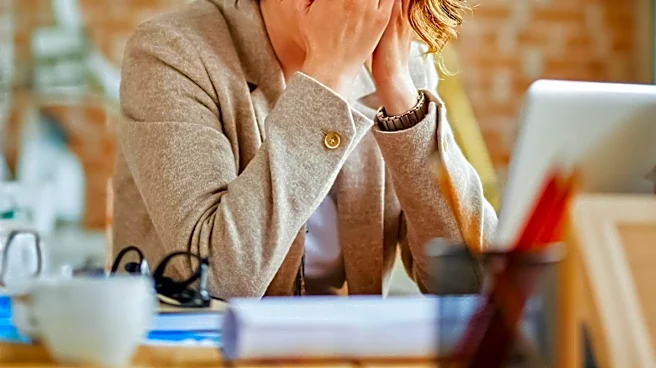
The impact of anxiety disorders on an individual's life can be profound. People with these disorders often experience significant distress and may avoid situations that trigger their anxiety. This avoidance can lead to social isolation, difficulties at work or school, and strained relationships. The chronic nature of anxiety disorders means that they can persist for years, affecting a person's quality of life and overall well-being.
Treatment Options for Anxiety Disorders
Fortunately, anxiety disorders are treatable, and several effective treatment options are available. Cognitive-behavioral therapy (CBT) is one of the most widely used therapeutic approaches for anxiety disorders. CBT helps individuals identify and challenge negative thought patterns and develop healthier coping strategies. This therapy can be delivered in individual or group settings and has been shown to be effective in reducing anxiety symptoms.
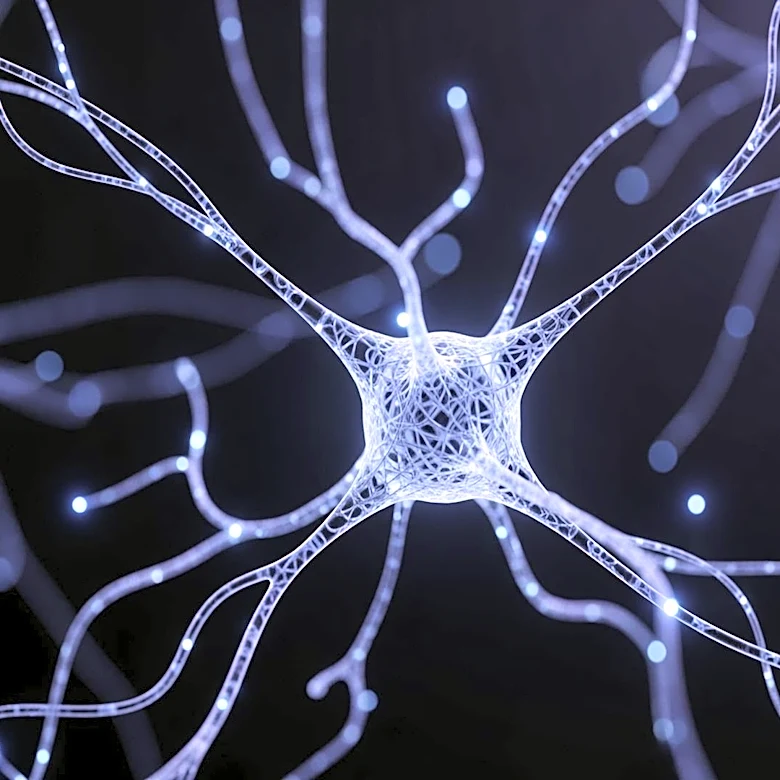
Medications are also commonly used to treat anxiety disorders. Selective serotonin reuptake inhibitors (SSRIs) and serotonin-norepinephrine reuptake inhibitors (SNRIs) are often prescribed to help manage symptoms. These medications work by altering the levels of neurotransmitters in the brain, which can help reduce anxiety. In some cases, benzodiazepines may be used for short-term relief of severe anxiety symptoms, although they are not recommended for long-term use due to the risk of dependence.
Lifestyle Changes and Support
In addition to therapy and medication, lifestyle changes can play a crucial role in managing anxiety disorders. Regular physical activity, a healthy diet, and adequate sleep can all contribute to reducing anxiety symptoms. Mindfulness practices, such as meditation and yoga, can also help individuals manage stress and improve their overall mental health.
Support from family and friends is essential for individuals with anxiety disorders. Encouragement and understanding from loved ones can make a significant difference in the recovery process. Joining support groups can also provide individuals with a sense of community and shared experience, which can be comforting and empowering.