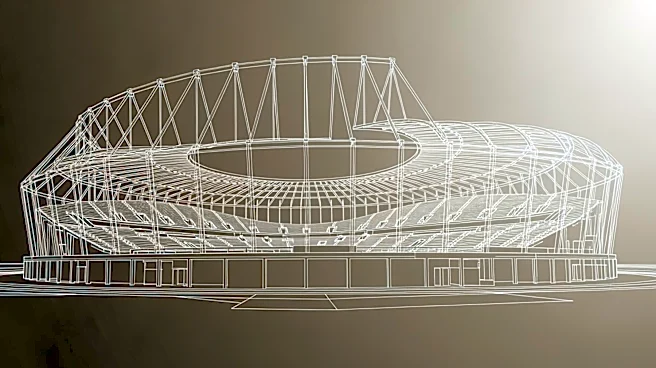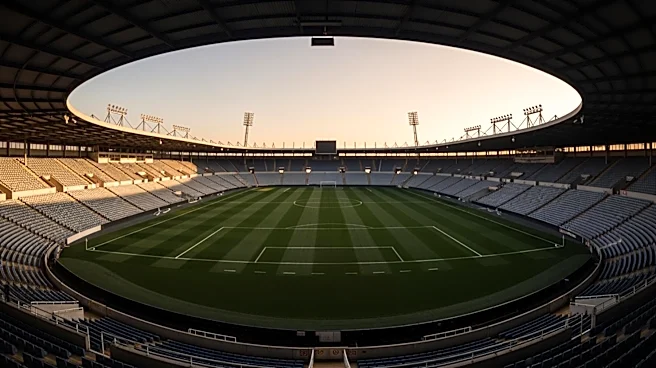




Estadio Azteca, located in Mexico City, is not only a symbol of sporting excellence but also an architectural marvel. Designed by architects Pedro Ramírez Vázquez and Rafael Mijares Alcérreca, the stadium has undergone several renovations to maintain its status as a world-class venue. With its impressive capacity and unique design, Estadio Azteca stands as a testament to Mexico's architectural prowess and its commitment to hosting international events.
The Original Design and Construction
The construction of Estadio Azteca began in 1961, with the vision of creating a major sports venue in Mexico City. The stadium was designed to accommodate over 100,000 spectators, making it one of the largest stadiums in the world at the time. Its design incorporated modern elements, including a state-of-the-art illumination system that allowed for night games, enhancing its functionality and appeal.
The inaugural match took place in 1966, marking the beginning of Estadio Azteca's storied history. The stadium's design was not only functional but also aesthetically pleasing, with its massive structure and strategic location in Coyoacán, Mexico City. Over the years, Estadio Azteca has become an iconic landmark, recognized for its architectural significance and its role in hosting major sporting events.
Renovations and Modernization
To maintain its status as a premier venue, Estadio Azteca has undergone several renovations. In the late 1990s, electronic advertising boards were installed, and seating was replaced to enhance the spectator experience. More recently, a major renovation project was undertaken to coincide with the stadium's 50th anniversary and Club América's centenary in 2016.
This renovation included the construction of new hospitality areas, media boxes, and private skyboxes, as well as the installation of modern LED panels. These upgrades were designed to improve the stadium's facilities and ensure its readiness for future events, including the 2026 FIFA World Cup. The renovations have not only preserved the stadium's historical significance but also enhanced its functionality and appeal.
Preparing for the 2026 FIFA World Cup
As Estadio Azteca prepares to host matches during the 2026 FIFA World Cup, further renovations are underway. These include increasing the seating capacity to 87,500, installing new video screens, and laying a hybrid turf pitch. The stadium's facade will be refurbished, and new locker rooms and a tunnel for players will be added.
These upgrades are part of a broader effort to ensure that Estadio Azteca remains a world-class venue capable of hosting international events. The renovations reflect Mexico's commitment to maintaining the stadium's architectural integrity while enhancing its facilities for future generations. As a result, Estadio Azteca continues to be a shining example of architectural excellence and a symbol of Mexico's rich sporting heritage.