
Saudi Arabia has long been known for its religious significance, drawing millions of pilgrims to its holy cities each year. However, in recent years, the country has been making strides to diversify its tourism
sector beyond religious pilgrimages. This shift is part of a broader effort to boost the economy and present Saudi Arabia as a major tourist destination in the Middle East. With the introduction of tourist visas and significant investments in leisure tourism, Saudi Arabia is poised to become a key player in the global tourism industry.
Historical Context and Religious Tourism
For many years, Saudi Arabia's tourism industry was predominantly centered around religious pilgrimages. The cities of Mecca and Medina are the holiest sites in Islam, attracting millions of Muslims annually for Hajj and Umrah. These religious journeys are deeply embedded in the Islamic faith, with Hajj being one of the five pillars of Islam. During the month of Dhu al-Hijjah, Mecca and Medina see an influx of over three million pilgrims, while the month of Ramadan brings around two million visitors for Umrah. Throughout the rest of the year, an additional four million pilgrims visit these sacred cities.
The significance of religious tourism cannot be overstated, as it has historically been the backbone of Saudi Arabia's tourism sector. The government has invested heavily in infrastructure to accommodate the massive influx of pilgrims, ensuring that the religious tourism experience is seamless and spiritually fulfilling.
Diversification and Economic Impact
Recognizing the potential of tourism as a major economic driver, Saudi Arabia has embarked on a journey to diversify its tourism offerings. In 2019, the country began issuing tourist visas to visitors from 49 countries, marking a significant shift in its tourism policy. This move was part of a broader strategy to reduce the country's reliance on oil revenues and to develop tourism as a sustainable economic sector.
The impact of these efforts is already evident. In 2019, tourism generated $27.5 billion, contributing significantly to the national economy. According to the World Travel and Tourism Council, travel and tourism added 9% to Saudi Arabia's total economy in 2018, highlighting the sector's growing importance.
Future Prospects and Developments
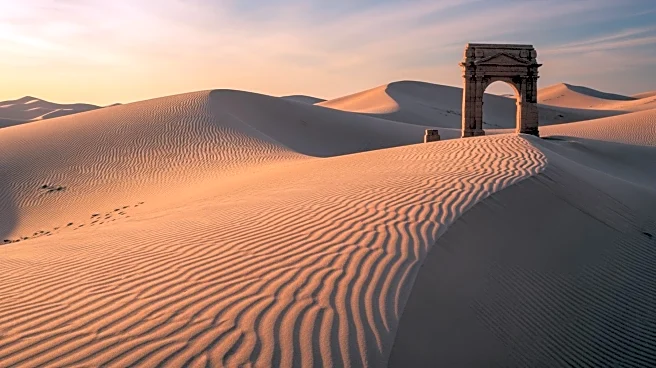
Saudi Arabia's vision for the future of tourism is ambitious. The government is investing billions in developing new tourist attractions and infrastructure. Potential tourist areas include the Hijaz and Sarawat Mountains, Red Sea diving spots, and ancient ruins. The Red Sea is being developed as a beach resort, offering a unique experience for international tourists.
The introduction of the Saudi Seasons initiative, which organizes events across various cities, aims to attract both local and international tourists. With plans to host the 2034 FIFA World Cup, Saudi Arabia is positioning itself as a global tourism hub. As the country continues to open its doors to the world, the future of tourism in Saudi Arabia looks promising, with the potential to transform the nation's economic landscape.