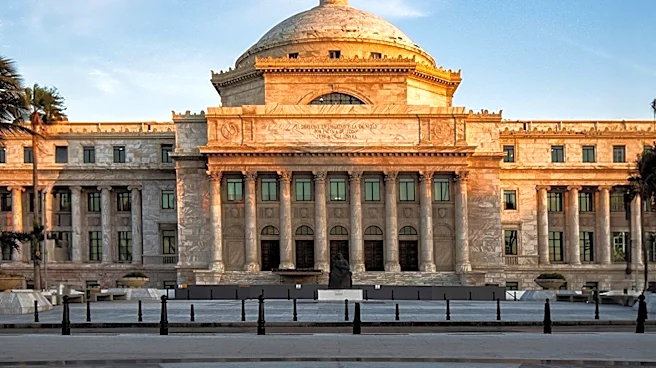








In 2012, Puerto Rico held a significant referendum that aimed to address the island's political status. This event was a pivotal moment in the ongoing debate about whether Puerto Rico should remain a U.S. territory, become a state, or pursue independence. The referendum's results were complex and sparked further discussions about the island's future. This article delves into the details of the 2012 referendum, its outcomes, and the broader implications
for Puerto Rico's political landscape.
The Structure of the 2012 Referendum
The 2012 referendum was structured as a two-part vote. The first question asked voters whether they wanted to maintain Puerto Rico's current status as a U.S. territory. A majority of 54% voted against continuing the territorial status, indicating a desire for change. This outcome set the stage for the second part of the referendum, which presented voters with three options: statehood, independence, or free association with the United States.
In the second part of the referendum, 61.16% of those who voted chose statehood, 33.34% opted for free association, and 5.49% supported independence. However, the results were not as straightforward as they seemed. A significant number of voters, encouraged by supporters of the commonwealth status, abstained from voting on the second question, leading to ambiguity in interpreting the results.
Ambiguity and Controversy
The 2012 referendum's results were met with controversy and debate. While a majority of those who voted on the second question favored statehood, the high number of abstentions meant that only 45% of the total eligible electorate supported this option. This ambiguity fueled discussions about the legitimacy of the referendum and the true desires of Puerto Rican voters.
Analysts pointed out that the structure of the referendum questions and the campaign strategies of various political factions contributed to the unclear outcome. The referendum highlighted the deep divisions within Puerto Rican society regarding the island's political future and underscored the complexity of achieving a consensus on this issue.
The Ongoing Debate
The 2012 referendum did not resolve the question of Puerto Rico's political status. Instead, it intensified the debate and brought international attention to the issue. The results were seen as a call for action, prompting discussions in both Puerto Rico and the United States about the island's future.
Despite the referendum's ambiguity, it marked a significant moment in Puerto Rico's history. It demonstrated the island's desire for change and highlighted the need for a clear and decisive resolution to the status question. As Puerto Rico continues to grapple with its political identity, the 2012 referendum remains a key reference point in the ongoing debate.