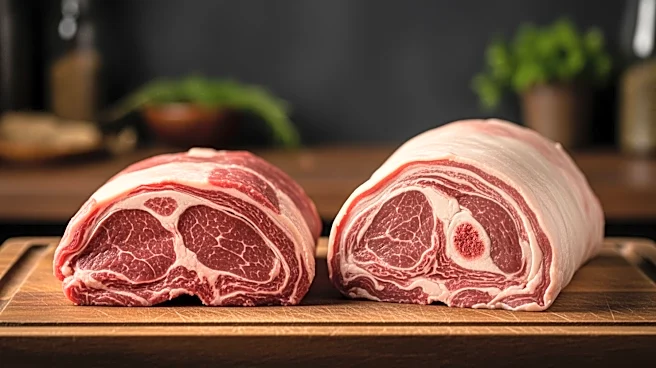





Lamb and mutton, derived from domestic sheep, are staples in many cuisines around the world. While lamb is the meat from young sheep, mutton comes from older sheep, and both have distinct flavors and textures that make them unique. These meats are particularly popular in Mediterranean, Central Asian, and South Asian cuisines, where they are often featured in traditional dishes. This article delves into the cultural significance and culinary uses of lamb and mutton across
different regions.
Mediterranean Delights
In the Mediterranean region, lamb and mutton are integral to many traditional dishes. Countries like Greece, Turkey, and those in North Africa incorporate these meats into their culinary traditions. In Greece, lamb is a key component of religious feasts such as Easter, where dishes like avgolemono and magiritsa are prepared. These meals are not only a celebration of flavor but also a reflection of cultural heritage.
The strong flavors of mutton are particularly appreciated in Mediterranean cooking, where the meat's robust taste complements the region's rich spices and herbs. In Turkey, lamb and mutton are often used in kebabs and stews, showcasing the versatility of these meats in various cooking methods. The Mediterranean's love for lamb and mutton highlights the meats' ability to bring people together through shared culinary experiences.
Central Asian and South Asian Traditions
Lamb and mutton hold a special place in Central Asian and South Asian cuisines. In these regions, the meats are often preferred over other red meats due to religious and economic reasons. In India and Pakistan, mutton is commonly used in dishes like mutton curry, where the meat is cooked with a blend of spices to create a flavorful and aromatic dish.
In Central Asia, traditional dishes such as kuurdak, a meat dish made from mutton, are popular. These dishes often reflect the nomadic lifestyle of the region's people, where sheep are a vital source of sustenance. The use of lamb and mutton in these cuisines underscores the meats' adaptability to different cooking styles and cultural preferences.
The American and Australian Connection
In the United States, lamb and mutton have a unique cultural significance, particularly among the Navajo people. Introduced by Spanish explorers in the 17th century, sheep became a central part of Navajo pastoral culture, replacing wild turkey and venison. Today, mutton and lamb are still enjoyed in traditional Navajo dishes.
Australia also has a strong connection to lamb, with the leg of lamb roast considered a national dish. Often served on special occasions, this dish is typically prepared with rosemary and served with roasted vegetables. The popularity of lamb in Australia highlights the country's appreciation for this tender and flavorful meat.
Lamb and mutton's global appeal is a testament to their versatility and cultural significance. From Mediterranean feasts to Central Asian stews, these meats continue to be cherished in diverse culinary traditions around the world.