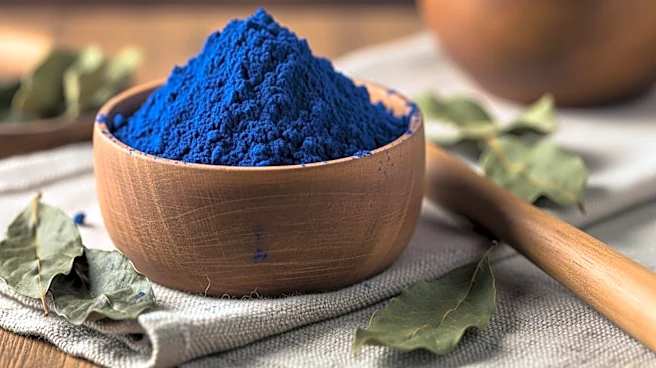




Indigo dye, with its distinctive blue hue, has a rich history that spans continents and centuries. Derived from the leaves of plants in the Indigofera genus, indigo was a prized commodity long before synthetic dyes became prevalent. This article delves into the historical journey of indigo dye, highlighting its cultural significance and the transitions it underwent over time.
Ancient Beginnings
Indigo dye's history can be traced back to ancient civilizations. The oldest known fabric dyed with indigo was discovered in Peru, dating back 6,000 years. This early use of indigo highlights its long-standing value in textile production. In ancient Mesopotamia, indigo was used to dye wool, as evidenced by a neo-Babylonian cuneiform tablet from the seventh century BC. The Romans also valued indigo, using it as a pigment for painting and for medicinal and cosmetic purposes.The dye was most likely imported from India, a major center for indigo production.
The association of India with indigo is reflected in the Greek word for the dye, "indikon," which the Romans Latinized to "indicum." This term eventually evolved into the English word "indigo."
The Rise of Indigo in Europe
Indigo's journey to Europe marked a significant chapter in its history. During the late 15th century, Portuguese explorer Vasco da Gama discovered a sea route to India, facilitating direct trade with Asia. This led to an increase in indigo importation to Europe, bypassing the heavy duties imposed by middlemen along the land routes. As a result, indigo became more accessible, and its use in Europe rose significantly.Despite its growing popularity, indigo faced resistance from local dye industries. In the 16th century, France and Germany outlawed imported indigo to protect their woad dye industry. However, the superior quality and vibrant color of indigo eventually won over European markets, leading to the establishment of indigo plantations in tropical climates by European powers.
The Transition to Synthetic Indigo
The 19th century marked a turning point for indigo with the advent of synthetic dyes. German chemist Adolf von Baeyer began working on the synthesis of indigo in 1865, and by 1897, BASF had developed an economically viable process for producing synthetic indigo. This development led to a decline in natural indigo production, as synthetic indigo offered a more consistent and cost-effective alternative.Today, most indigo dye is produced synthetically, with around 80,000 tonnes produced annually. Despite this shift, the historical journey of indigo dye remains a testament to its enduring cultural and economic significance across the globe.