


Skin is a remarkable organ that serves as the outermost layer of vertebrate animals, playing crucial roles in protection, regulation, and sensation. While it may seem like a simple covering, skin is a complex structure with diverse functions and adaptations across different species. This article delves into the various roles and structures of skin in vertebrates, highlighting its importance in maintaining the health and functionality of these animals.
Protective Barrier
One of the primary functions of skin is to act as a protective barrier. In vertebrates, the skin is composed of multiple layers of ectodermal tissue that guard the underlying muscles, bones, ligaments, and internal organs. This protective role is vital in shielding the body from external threats such as pathogens and physical injuries. The skin's ability to prevent excessive water loss is another critical aspect of its protective function, especially for terrestrial animals that are exposed to varying environmental conditions.
In addition to its protective capabilities, the skin also plays a role in the formation and structure of extraskeletal apparatuses. For instance, the skin contributes to the development of horns in bovids, antlers in cervids, and ossicones in giraffids. These structures not only serve as protective features but also play roles in social interactions and mating displays.
Sensory and Regulatory Functions
Beyond protection, the skin is integral to sensory perception and regulation. It contains a variety of nerve endings that allow vertebrates to sense touch, temperature, and pain. This sensory capability is crucial for survival, enabling animals to respond to environmental changes and potential threats.
The skin also plays a significant role in thermoregulation. In mammals, for example, the presence of hair and fur provides insulation, helping to maintain body temperature. The skin's ability to produce sweat is another regulatory function, allowing for cooling through evaporation. Additionally, the skin is involved in the synthesis of vitamin D, which is essential for bone health and overall well-being.
Adaptations Across Species
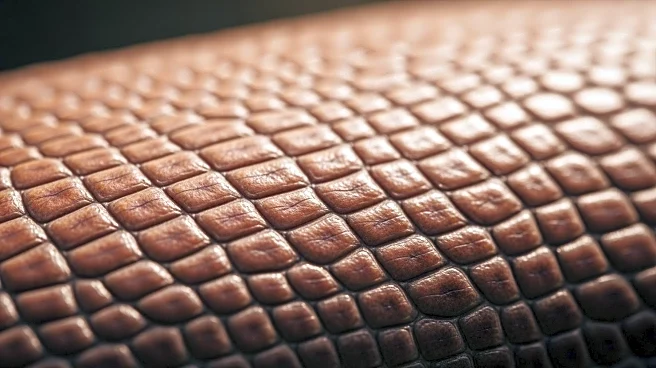
The structure and function of skin can vary significantly across different vertebrate species, reflecting adaptations to their specific environments. For instance, the skin of amphibians is permeable and plays a role in respiration, allowing for gas exchange. In contrast, reptiles have scales that provide additional protection and reduce water loss, an adaptation to their often arid habitats.
Birds possess feathers, which are specialized structures derived from the skin. Feathers serve multiple purposes, including insulation, flight, and display. The diversity of skin adaptations across vertebrates underscores its importance in enabling these animals to thrive in a wide range of ecological niches.
In conclusion, the skin is a vital organ with multifaceted roles in vertebrates. Its protective, sensory, and regulatory functions, along with its diverse adaptations, highlight the complexity and significance of this remarkable organ.