



Burmese tofu is a fascinating culinary creation that stands apart from its more widely known soy-based counterpart. Originating from the Shan region and influenced by Chinese cuisine from Yunnan Province, Burmese tofu is made from chickpea flour, also known as besan flour, and yellow split peas. This article delves into the unique preparation methods and characteristics that make Burmese tofu a staple in Burmese cuisine.
The Ingredients and Preparation
Burmese tofu is crafted from
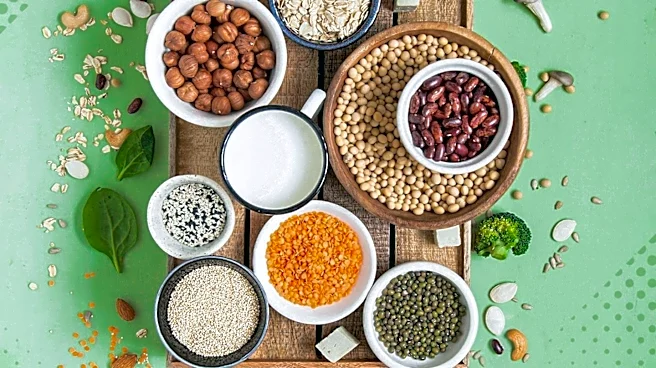
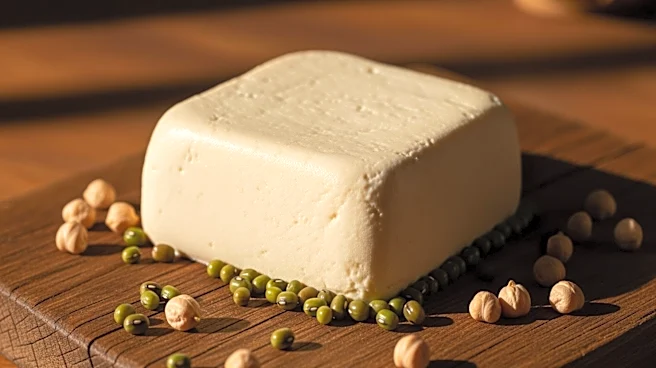
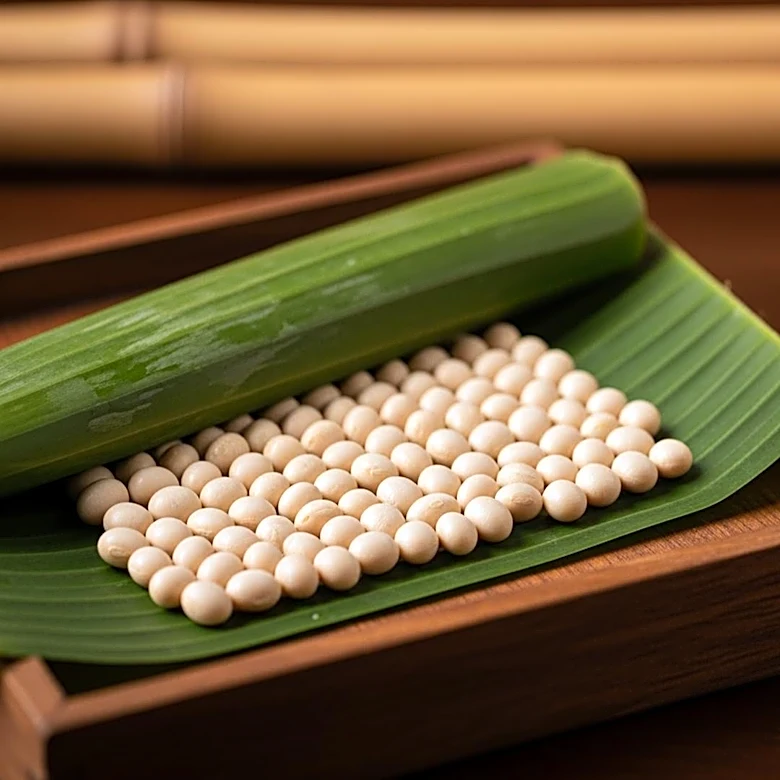
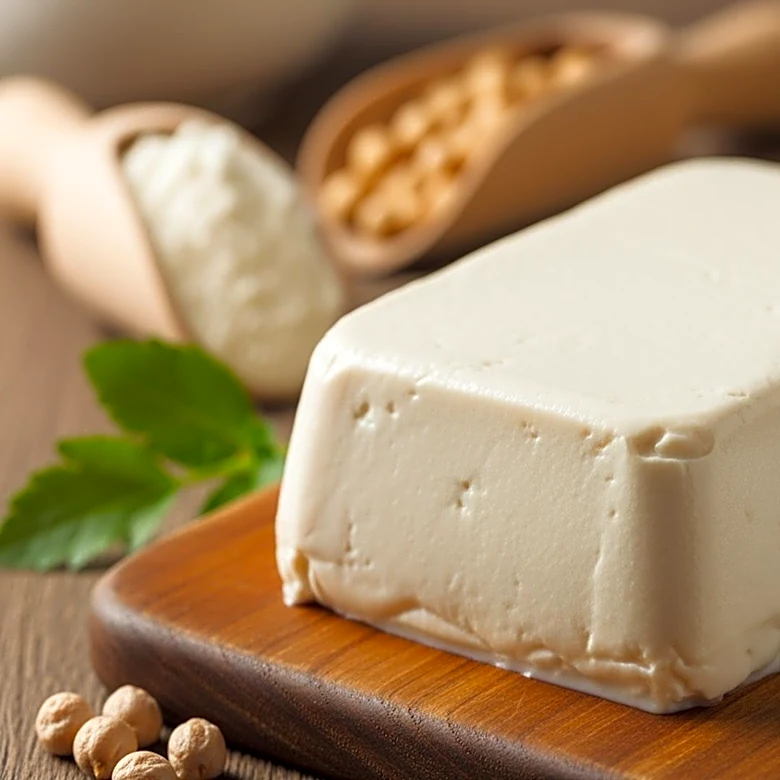
a mixture of chickpea flour, water, turmeric, and a pinch of salt. The process begins by mixing these ingredients and heating them while stirring continuously until a creamy consistency is achieved. This mixture is then poured into a tray to set, resulting in a firm, jelly-like texture that does not crumble when sliced. An alternative method involves using dried chickpeas, which are soaked overnight, ground into a puree, and cooked similarly to the flour-based version.
The use of chickpea flour gives Burmese tofu its distinctive matte yellow color and firm consistency. Unlike Chinese tofu, which is made from soy milk and coagulants, Burmese tofu's preparation is more akin to making polenta. This unique method results in a product that is both versatile and integral to various Burmese dishes.
Culinary Uses and Variations
Burmese tofu can be enjoyed in several forms, each offering a different culinary experience. Fresh Burmese tofu is often served as a salad, dressed with peanut oil, soy sauce, rice vinegar, and garnished with crushed peanuts and coriander. This dish is a popular snack or meal in itself, showcasing the tofu's creamy texture and nutty flavor.
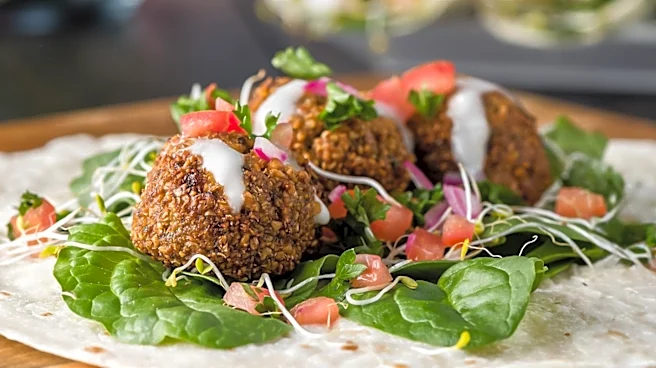
Another popular preparation is deep-fried tofu fritters, known as to hpu gyaw. These fritters are crispy on the outside and soft on the inside, often served with a spicy sour dip or incorporated into salads. The versatility of Burmese tofu extends to its use in making crackers, where it is sliced, dried, and deep-fried, offering a crunchy snack option.
Cultural Significance and Regional Variations
Burmese tofu holds a significant place in Burmese cuisine, with regional variations adding to its diversity. In the Shan State, a version known as won ta hpo is made from yellow split peas and is similar to the Chinese chickpea tofu. Another variant, hsan ta hpo, is made from rice flour and is popular in Shan regions, offering a white-colored alternative with a slightly different taste.
The cultural importance of Burmese tofu is evident in its widespread use across various dishes and its role as a meat substitute in vegetarian cuisine. Its unique preparation and diverse applications make it a cherished component of Burmese culinary tradition, reflecting the rich cultural tapestry of the region.