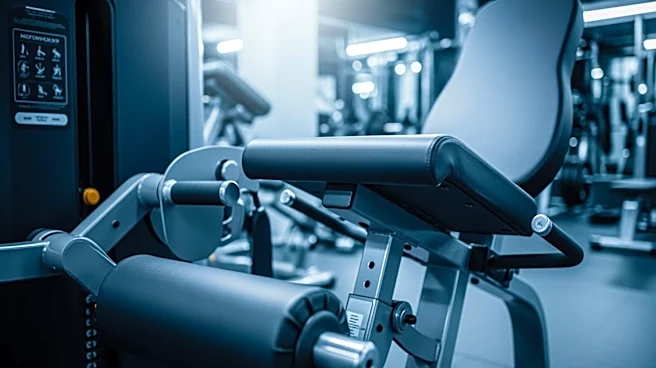







The leg extension is a popular exercise in the world of strength training, specifically targeting the quadriceps muscles. This exercise is performed using a machine and is known for its ability to isolate the quadriceps, making it a staple in many workout routines. Unlike compound exercises that engage multiple muscle groups, the leg extension focuses solely on the front of the thigh, providing a unique benefit for those looking to enhance their quadriceps strength and definition.
The Mechanics of Leg Extension
The leg extension exercise is performed while seated on a specialized machine. The user raises a weight in front of the body using the feet, which directly targets the quadriceps. This isolation exercise is particularly beneficial for those who want to focus on strengthening the muscles around the knees. Physical therapists often recommend leg extensions for this reason, as they can help improve knee stability and function.
While the exercise is effective, it is important to perform it with proper form to avoid injury. Overtraining or using excessive weight can lead to patellar tendinitis, a condition that affects the tendon connecting the kneecap to the shinbone. Therefore, it is crucial to use a weight that allows for controlled movement and to avoid locking the knees at the top of the extension.
Benefits of Leg Extension
One of the primary benefits of the leg extension is its ability to isolate the quadriceps. This is particularly useful for bodybuilders and athletes who need to develop specific muscle groups for their sport or competition. By focusing on the quadriceps, individuals can achieve greater muscle definition and strength in the front of the thigh.
Additionally, the leg extension can be a valuable tool for rehabilitation. After an injury, it is often necessary to strengthen specific muscles without putting undue stress on other parts of the body. The leg extension allows for targeted strengthening of the quadriceps, which can aid in recovery and prevent future injuries.
Considerations and Variations
While the traditional leg extension is performed seated, a standing variant was introduced in 2025. This variation offers a different angle of resistance and can engage the muscles in a slightly different way. However, the seated version remains the most common and widely used.
When incorporating leg extensions into a workout routine, it is important to balance them with other exercises that target the hamstrings and glutes. This ensures overall leg strength and helps maintain muscle balance, reducing the risk of injury. As with any exercise, it is essential to listen to your body and adjust the weight and repetitions as needed to avoid overtraining.