



Pakistani cuisine is deeply intertwined with Islamic dietary laws, adhering to halal principles that dictate permissible foods and preparation methods. These guidelines not only influence the types of ingredients used but also shape the culinary traditions and practices across the country. Understanding the role of halal in Pakistani cuisine offers insight into the cultural and religious significance of food in this region.
Halal Dietary Laws
Halal dietary laws are central
to Pakistani cuisine, reflecting the country's Muslim-majority population. These laws prohibit the consumption of pork and alcohol, among other restrictions, and outline specific guidelines for meat consumption. Only certain animals are considered halal, and they must be slaughtered and prepared in accordance with Islamic practices to ensure compliance.
This focus on halal meat has led to a preference for beef, lamb, chicken, and fish in Pakistani dishes. The observance of halal principles is evident in the preparation of popular meat-based dishes such as kebabs, nihari, and biryani, which are staples in Pakistani households and restaurants.
Impact on Culinary Traditions
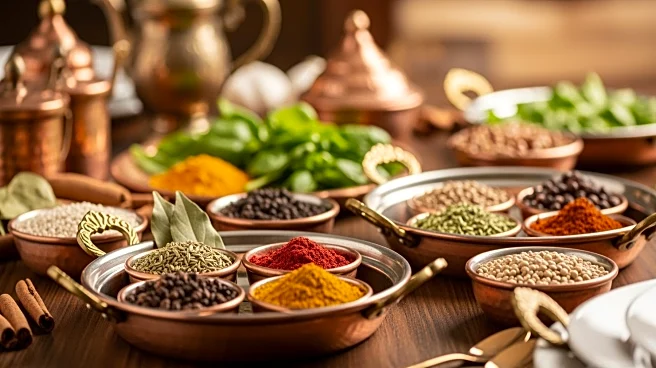
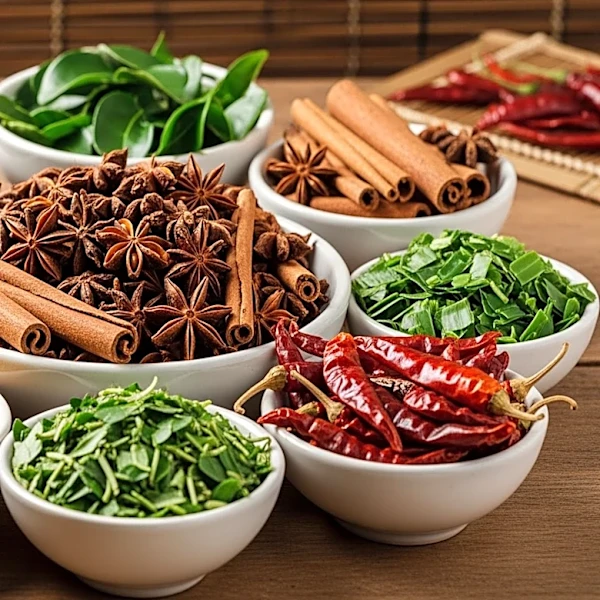
The adherence to halal principles has a profound impact on the culinary traditions of Pakistan. It influences not only the choice of ingredients but also the cooking techniques and flavor profiles of dishes. For instance, the use of spices and herbs is prevalent in Pakistani cuisine, enhancing the flavors of halal meats and creating aromatic and flavorful dishes.
Halal principles also contribute to the diversity of regional cuisines within Pakistan. In regions like Punjab, the use of spices such as garam masala and coriander powder is common, while in Balochistan, the influence of Iranian culinary traditions results in aromatic yet non-spicy dishes. These regional variations reflect the adaptability of halal principles to local tastes and preferences.
Cultural Significance
The cultural significance of halal principles in Pakistani cuisine extends beyond dietary restrictions. It represents a connection to religious beliefs and practices, reinforcing the importance of food as a cultural and social element. Meals are often shared with family and friends, emphasizing the communal aspect of dining and the role of food in fostering relationships.
As Pakistani cuisine continues to evolve, the adherence to halal principles remains a constant, ensuring that traditional practices are preserved while embracing modern influences. This balance between tradition and innovation highlights the enduring significance of halal in shaping the culinary landscape of Pakistan.