


Sous vide, a cooking method that involves vacuum-sealing food and cooking it at low temperatures for extended periods, has a fascinating history. Invented by French chef Georges Pralus in 1974, this technique has revolutionized the culinary world by offering precise temperature control and enhanced flavor retention. This article delves into the historical development of sous vide cooking, highlighting key milestones and the contributions of notable
figures.
Early Beginnings
The concept of low-temperature cooking can be traced back to 1799 when Benjamin Thompson, Count Rumford, experimented with roasting meat using air as the heat-transfer medium. His findings revealed that meat cooked at lower temperatures was not only edible but also well-tasted. This early exploration laid the groundwork for future developments in sous vide cooking.
In the mid-1960s, American and French engineers developed the preparation of food under pressure as an industrial food preservation method. This technique, known as "cryovacking," concentrated flavors without cooking, paving the way for the sous vide method. The pressure applied through vacuum sealing enhanced the flavor and texture of food, a discovery that would later be embraced by chefs.
Georges Pralus and the Rise of Sous Vide
Georges Pralus, a French chef, adopted the sous vide method in 1974 for the Restaurant Troisgros in Roanne, France. Pralus discovered that cooking foie gras using this technique preserved its appearance, reduced fat loss, and improved texture. His pioneering work established sous vide as a viable cooking method in high-end restaurants.
Another key figure in the development of sous vide is Bruno Goussault, who began working with vacuum pouch cooking in the 1970s. Goussault's research into the effects of temperature on various foods led to the establishment of the Centre de Recherche et d'Études pour l'Alimentation (CREA) in 1991. Through CREA, Goussault trained top chefs in sous vide techniques, further popularizing the method.
Modern Applications and Innovations
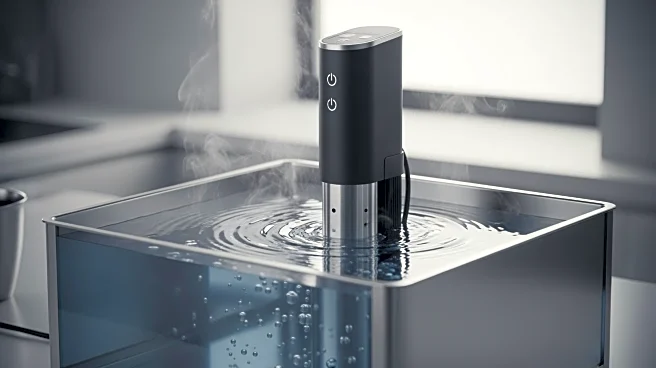
Sous vide cooking has evolved significantly since its inception. Initially used in gourmet restaurants, the method has become accessible to home cooks thanks to innovations like the SousVide Supreme water oven. This device, launched in 2009, allows precise temperature control, making sous vide cooking feasible for non-professional chefs.
Today, sous vide is used by renowned chefs such as Heston Blumenthal and Thomas Keller, and has appeared on cooking shows like Iron Chef America. The method's ability to retain moisture and enhance flavors has made it a staple in modern culinary practices. As sous vide continues to gain popularity, its impact on the culinary world remains profound, offering a unique approach to cooking that emphasizes precision and flavor.