




Phenoxyethanol is a chemical compound with a rich history and a well-established synthesis process. First prepared in the late 19th century, phenoxyethanol has since become a staple in various industries due to its preservative properties. This article explores the historical development and synthesis of phenoxyethanol, shedding light on its journey from laboratory discovery to commercial production.
Early Discovery and Preparation
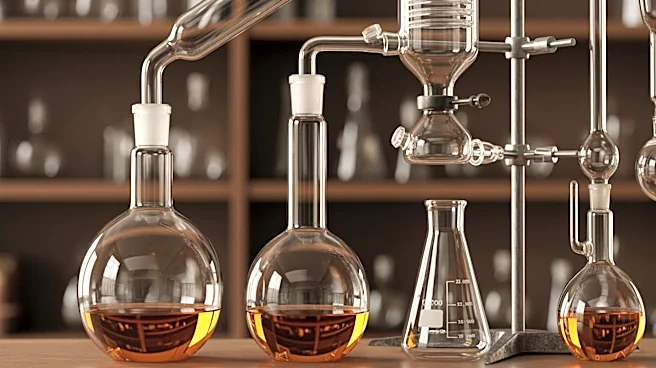
The synthesis of phenoxyethanol dates back to 1896
when it was first prepared by W. H. Perkin Jr. and his graduate student Edward Haworth. The initial preparation involved the reaction of sodium, phenol, and 2-chloroethanol in anhydrous ethanol. This early method laid the groundwork for the compound's future applications and commercial availability.
In the 1920s, phenoxyethanol became commercially available as a solvent for cellulose acetate, marketed under the trademark "Phenyl cellosolve." This marked the beginning of its widespread use in various industrial applications, particularly as a solvent and preservative.
Modern Synthesis Techniques
Today, phenoxyethanol is produced industrially through the hydroxyethylation of phenol, a process known as the Williamson synthesis. This method involves the reaction of phenol with ethylene oxide in the presence of alkali-metal hydroxides or alkali-metal borohydrides. The resulting product is a colorless oily liquid with a faint rose-like aroma, characteristic of phenoxyethanol.
The modern synthesis of phenoxyethanol is efficient and scalable, allowing for its widespread use in industries such as cosmetics, pharmaceuticals, and perfumery. The compound's chemical structure, C6H5OC2H4OH, classifies it as both a glycol ether and a phenol ether, contributing to its versatility and effectiveness as a preservative.
Applications and Impact
The development and synthesis of phenoxyethanol have had a significant impact on various industries. Its role as a preservative in cosmetics and pharmaceuticals is well-documented, with its germicidal and germistatic properties making it an ideal choice for maintaining product safety and shelf life.
In addition to its preservative functions, phenoxyethanol is used as a solvent for dyes, inks, and resins, as well as an anesthetic in fish aquaculture. Its diverse applications highlight the importance of its synthesis and the ongoing demand for this versatile compound.
The historical development and synthesis of phenoxyethanol underscore its significance in modern industry. From its early preparation to its current applications, phenoxyethanol continues to play a vital role in ensuring the safety and efficacy of a wide range of products.