

Jefferson F. Long's life is a testament to resilience and determination. Born into slavery in 1836, Long rose to become a U.S. congressman from Georgia, marking a significant milestone in American history. His journey from bondage to the halls of Congress is a story of personal triumph and a reflection of the broader struggles for African American rights during the Reconstruction era.
Early Life and Education
Jefferson Franklin Long was born on March 3, 1836, near Knoxville,
Georgia, to an enslaved black mother and a white father. Despite the oppressive conditions of slavery, Long demonstrated an early thirst for knowledge. He taught himself to read and write, a courageous act given the legal prohibitions against educating enslaved people. His work setting type for a newspaper in Macon, Georgia, provided him with the opportunity to learn and develop skills that would later serve him in his political career.
By 1860, Long had married Lucinda Carhart and started a family. Following the end of the Civil War, he emerged as a successful merchant tailor in Macon. His business acumen and leadership qualities soon made him a prominent figure in the Republican Party, which was then the party of Lincoln and emancipation.
Political Career
Long's political career began in earnest in 1867 when he became a significant member of the Republican Party. His dedication and leadership led to his election to the Forty-first Congress in 1870, representing Georgia's 4th district. His term, though brief, was historic. Long was the second African American to be sworn into the U.S. House of Representatives and the first African American congressman from Georgia.
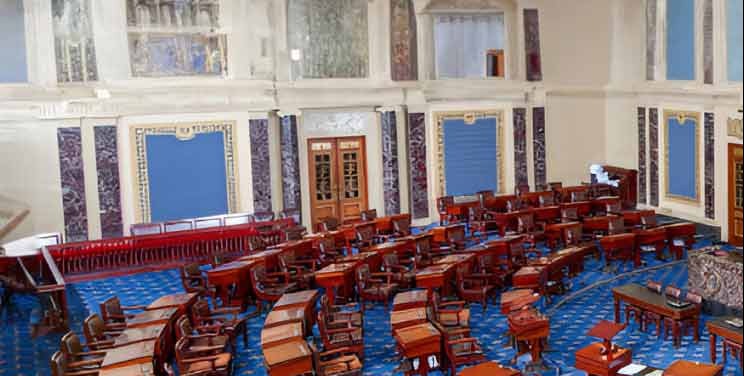
During his time in Congress, Long made history by becoming the first African American to speak on the floor of the U.S. House. He opposed the Amnesty Bill, which sought to exempt former Confederates from swearing allegiance to the Constitution. His speech highlighted the ongoing tensions and challenges of Reconstruction, as he argued against restoring political rights to those who had supported the Confederacy.
Legacy and Later Life
Long's political career was short-lived, as he did not seek re-election in 1870. The anti-Reconstruction efforts by the white-majority Georgia GOP played a significant role in his decision. Despite this, Long remained active in politics, serving as a delegate to the Republican National Convention from 1872 to 1880.
After his congressional term, Long returned to his tailoring business in Macon, which he ran with one of his sons. He passed away on February 4, 1901, from influenza and was interred at Linwood Cemetery in Macon. Long's legacy as a trailblazer in American politics endures, symbolizing the struggles and achievements of African Americans during a pivotal era in U.S. history.