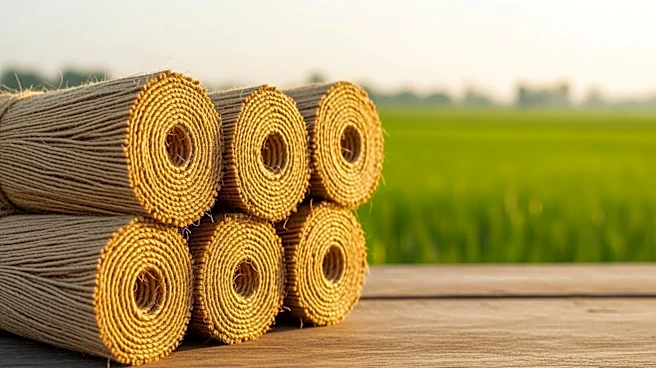








Jute is a natural fiber that plays a crucial role in sustainable agriculture. Primarily grown in Bangladesh and India, jute cultivation is an integral part of the agricultural landscape in these regions. This article explores the practices involved in jute cultivation and highlights its importance in promoting sustainable agriculture.
The Cultivation Process
Jute cultivation begins with the scattering of seeds on cultivated soil. Once the plants reach a height of 15-20 cm,
they are thinned out to ensure healthy growth. Harvesting typically occurs four months after planting, when the plants have flowered but before they go to seed. The stalks are cut close to the ground, tied into bundles, and soaked in water for about 20 days. This retting process softens the tissues and allows the fibers to be separated from the stalks.
The fibers are then stripped from the stalks, washed in clear running water, and dried on thatched roofs or bamboo poles. After drying for 2-3 days, the fibers are tied into bundles for sale in the primary market. The entire process relies on natural resources, making jute cultivation a sustainable practice that requires minimal chemical inputs.
Environmental Benefits
Jute is a rain-fed crop that requires little fertilizer or pesticides, in contrast to cotton's heavy requirements. The plant thrives in the warm and wet climate of the monsoon season, with temperatures ranging from 20 to 40 °C and relative humidity of 70-80%. Jute cultivation also benefits from the fertile alluvial soil of the Ganges Delta, which provides ideal conditions for growth.
The environmental benefits of jute extend beyond its cultivation. As a biodegradable and carbon-neutral fiber, jute contributes to reducing environmental pollution. Its use as an alternative to plastic packaging helps decrease plastic waste, making it a valuable resource in the fight against environmental degradation.
Economic and Social Impact
Jute cultivation is a significant source of income for farmers in Bangladesh and India. The industry supports millions of people, from farmers to workers in jute mills. The economic benefits of jute cultivation extend to the global market, with Bangladesh being the largest exporter of raw jute.
The social impact of jute cultivation is also noteworthy. It provides employment opportunities in rural areas, helping to alleviate poverty and improve living standards. As the demand for sustainable materials grows, jute cultivation will continue to play a vital role in promoting economic and social development in the regions where it is grown.