
Conscious breathing is a practice that involves directing awareness toward the breathing process. This technique serves multiple purposes, from improving respiration to building mindfulness. It is widely
used in various fields, including martial arts, meditation, music, physical therapy, and psychology. Each application has its unique approach to conscious breathing, offering different benefits and experiences.
Breathing in Martial Arts
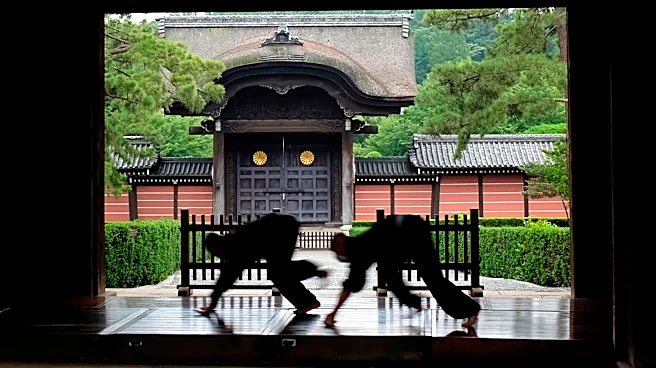
In martial arts, conscious breathing is used to strengthen diaphragm muscles and protect organs. Techniques such as reverse breathing are common in practices like tai chi and qigong. Reverse breathing involves contracting the abdomen and expanding the thoracic cage while inhaling through the nose, then gently compressing it while exhaling through the mouth. This method is opposite to natural diaphragmic breathing and is believed to activate healing and protective qi. By consciously controlling the breath, martial artists can protect their inner organs during techniques like punching.
Tai chi combines anaerobic exercise with breathing exercises to improve posture and make better use of the body's qi. This integration of breath and movement enhances the practitioner's physical and mental capabilities, making conscious breathing a vital component of martial arts training.
Meditation and Yoga Practices
Meditation traditions, including yoga and Buddhist meditation, emphasize breath control as a means to elevate life energies and cultivate mindfulness. In yoga, pranayama is a practice that involves various breathing methods, such as prolonging in- and out-breaths, holding pauses, alternate nostril breathing, and engaging the glottis. These techniques aim to elevate prana-shakti, or life energies, and are described in Hindu texts like the Bhagavad Gita and the Yoga Sutras of Patanjali.
Buddhist vipassanā meditation uses anapanasati, meaning mindfulness of breath, to calm the mind. This practice focuses on breathing in and around the nose, as introduced by Buddha. Anapanasati is a core meditation practice in Theravada, Tiantai, and Chan traditions of Buddhism, as well as Western-based mindfulness programs.
Applications in Music and Therapy
In music, circular breathing allows wind instrument players to produce a continuous tone without interruption. This technique involves inhaling through the nose while simultaneously pushing air out through the mouth using air stored in the cheeks. Singers also rely on breath control, managing breathing stages to avoid chronic vocal problems.
The Buteyko method in physical therapy uses breathing exercises to treat conditions like asthma, focusing on nasal breathing and relaxation. Integrative Breathing in psychology combines various techniques to address specific needs, such as drug abuse disorders and post-traumatic stress disorder. New Age practices like Holotropic Breathwork and Rebirthing-breathwork use deepened breathing to access altered states of consciousness and purge repressed memories.