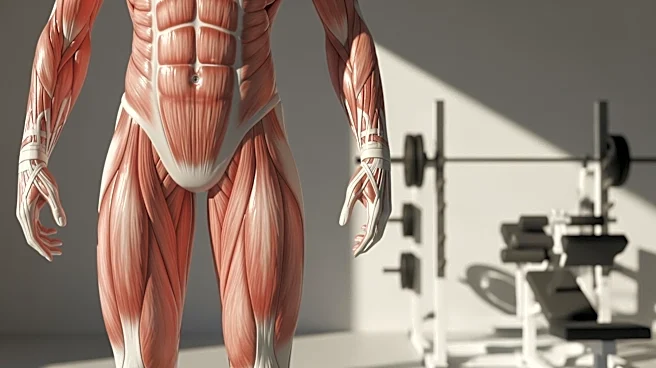




Leg curl exercises are a staple in many fitness routines, particularly for those aiming to strengthen and isolate the hamstring muscles. Unlike other exercises such as the deadlift, leg curls specifically target all four heads of the hamstrings, providing a focused workout that can lead to significant muscle development.
Hamstring Isolation
The leg curl is an isolation exercise, meaning it specifically targets the hamstring muscles without involving other muscle groups.
This is achieved by flexing the lower leg against resistance, which directly engages the hamstrings. The biceps femoris head of the hamstrings does not cross the hip joint and can only bend the knee, making the leg curl an ideal exercise for isolating this muscle.
In contrast, exercises like the deadlift involve a hip-hinge movement that targets multiple muscle groups, including the glutes, lower back, and hamstrings. While the deadlift is effective for overall lower body strength, it does not isolate the hamstrings as the leg curl does. This makes leg curls a valuable addition to a workout routine for those looking to focus on hamstring development.
Benefits of Isolation
Isolating the hamstrings through leg curl exercises can lead to improved muscle strength and size. By concentrating on the hamstrings, individuals can achieve better muscle definition and endurance. This isolation also allows for targeted rehabilitation and injury prevention, as it strengthens the muscles without placing undue stress on other areas.
Furthermore, leg curls can enhance athletic performance by improving the power and flexibility of the hamstrings. Strong hamstrings are crucial for activities that involve running, jumping, and quick directional changes. By incorporating leg curls into a training regimen, athletes can boost their performance and reduce the risk of hamstring injuries.
Comparing Leg Curl Variations
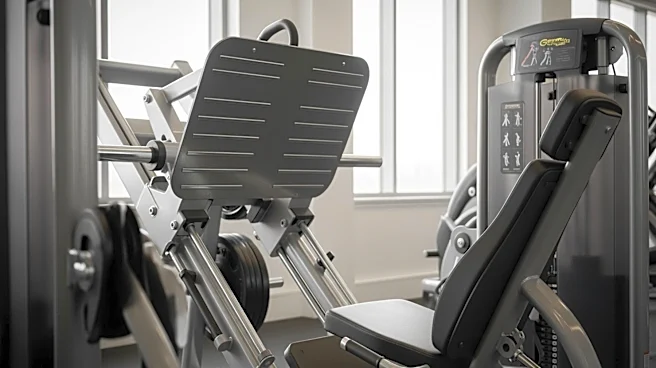
Each variation of the leg curl—seated, lying, and standing—offers unique benefits for hamstring isolation. The seated leg curl may promote greater muscle hypertrophy due to training at a longer muscle length, while the lying leg curl provides a concentrated contraction of the muscles. The standing leg curl engages additional stabilizing muscles, enhancing overall lower body strength.
Choosing the right variation depends on individual fitness goals and preferences. By understanding the role of leg curls in hamstring isolation, individuals can tailor their workouts to achieve optimal results and maintain a balanced and effective fitness routine.