



Swimming is a versatile activity that involves various techniques and strokes, each with its own unique characteristics and benefits. Whether for recreation or competition, mastering different swimming strokes can enhance one's swimming experience and improve overall performance. This article delves into the main swimming strokes and the techniques involved in each.
The Four Main Strokes
In competitive swimming, there are four main strokes: freestyle, backstroke, breaststroke,
and butterfly. Each stroke requires specific techniques and body movements to maximize speed and efficiency in the water.
Freestyle, also known as the front crawl, is widely regarded as the fastest stroke. It involves alternating arm movements and a flutter kick, allowing swimmers to glide smoothly through the water. The freestyle stroke is often used in competitions due to its speed and efficiency.
Backstroke is the only stroke performed on the back, with swimmers using an alternating arm motion and a flutter kick. This stroke requires good coordination and balance, as swimmers must maintain a streamlined position while keeping their head above water to breathe.
Breaststroke and Butterfly
Breaststroke is characterized by a frog-like kick and simultaneous arm movements. It is considered one of the more challenging strokes due to the coordination required between the arms and legs. Swimmers must ensure their head breaks the surface of the water during each stroke cycle to breathe.
The butterfly stroke is known for its powerful and graceful movements. It involves a simultaneous arm pull and a dolphin kick, where both legs move together in a wave-like motion. The butterfly stroke demands significant upper body strength and precise timing to execute effectively.
Techniques and Training
Mastering swimming techniques involves more than just learning the strokes. Swimmers must focus on body position, breathing, and timing to optimize their performance. Proper body alignment and a streamlined position reduce drag and allow for smoother movement through the water.
Breathing techniques are also crucial in swimming. Swimmers must learn to coordinate their breathing with their strokes to maintain a steady rhythm and avoid fatigue. In freestyle and butterfly, swimmers typically breathe to the side, while in breaststroke, they lift their head forward to breathe.
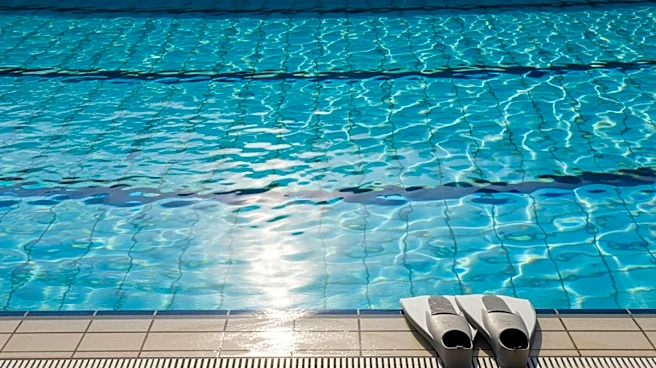
Training for swimming involves a combination of technique drills, endurance workouts, and strength training. Swimmers often use tools like kickboards, pull buoys, and fins to isolate specific muscle groups and improve their technique. Regular practice and dedication are essential for swimmers to refine their skills and achieve their goals.
In conclusion, understanding and mastering different swimming strokes and techniques can greatly enhance one's swimming ability. Whether for leisure or competition, the variety of strokes offers something for everyone, making swimming a rewarding and enjoyable activity.